






Introduction
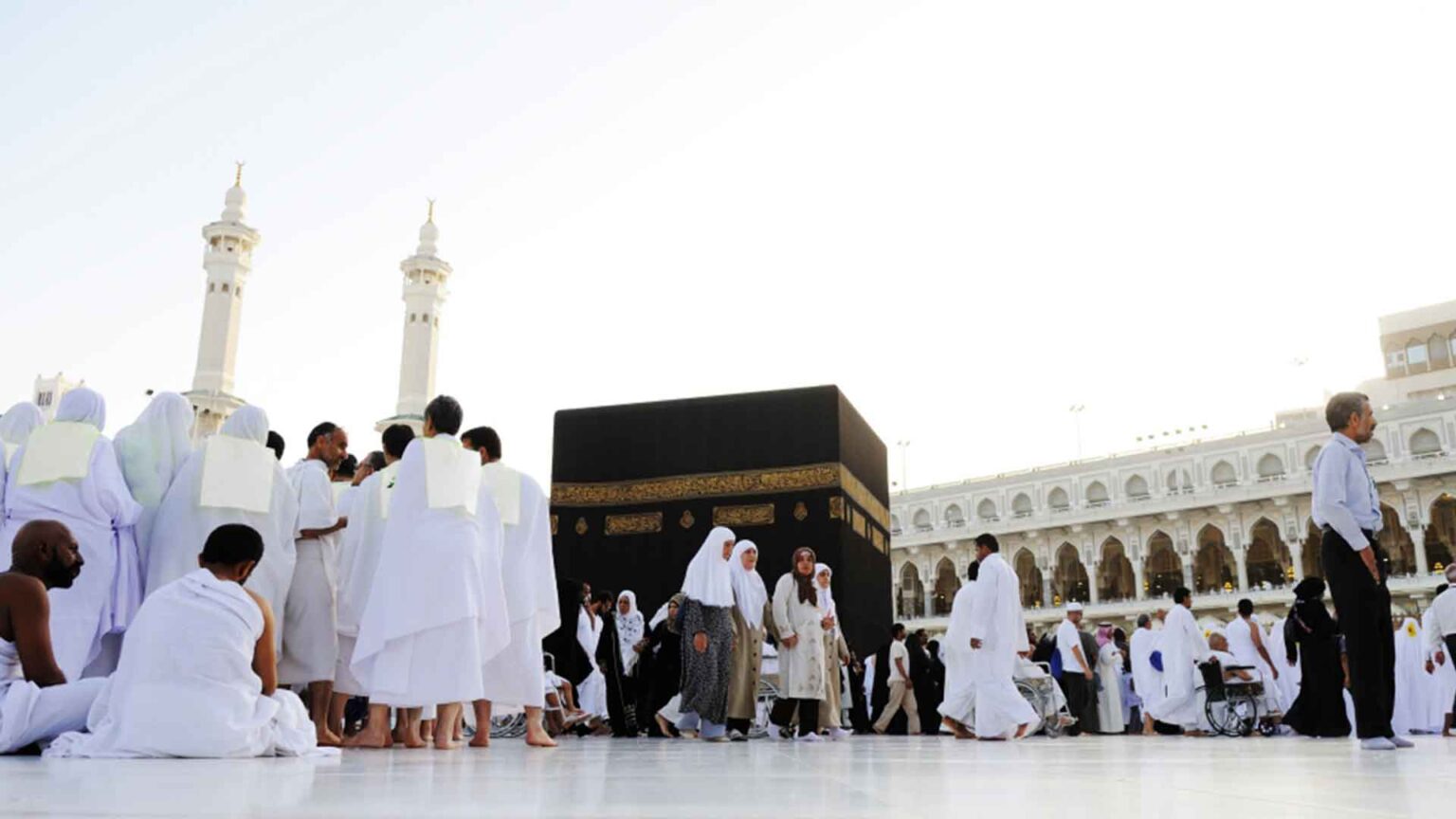
As Pakistan prepares for Hajj 2025, the government has taken proactive steps to ensure the health and safety of pilgrims by securing an adequate supply of vaccines for immunization. Given the large number of Pakistani pilgrims traveling to Saudi Arabia each year, authorities are prioritizing preventive healthcare measures, particularly vaccinations against infectious diseases that could pose risks during the pilgrimage.
The Ministry of Religious Affairs and Interfaith Harmony has reached out to health officials and vaccine suppliers to ensure that all mandatory and recommended vaccinations are available before the pilgrimage season begins. This move aligns with Saudi Arabia’s strict health and safety protocols, which require incoming pilgrims to be vaccinated against certain diseases before arriving in the Kingdom.

Mandatory Vaccinations for Hajj Pilgrims
Every year, Saudi Arabia’s Ministry of Hajj and Umrah sets health guidelines for international pilgrims. For Hajj 2025, the following vaccines are expected to be mandatory:
- Meningitis (MenACWY): Required for all pilgrims to prevent the spread of meningococcal disease.
- Polio: Mandatory for pilgrims from countries where polio is still a concern, including Pakistan.
- Influenza: Strongly recommended to prevent seasonal flu outbreaks among millions of pilgrims.
- COVID-19: Saudi Arabia may require proof of updated COVID-19 vaccination for Hajj 2025, especially for high-risk individuals.
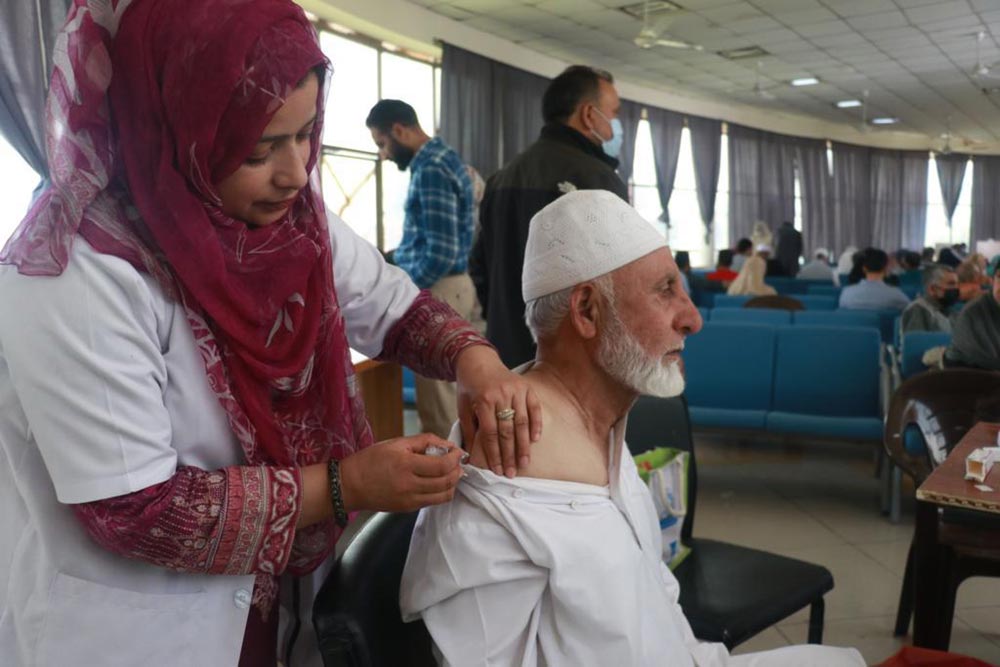
To meet these health requirements, Pakistan’s government is working to ensure an uninterrupted supply of these vaccines so that pilgrims can receive their immunizations on time. The immunization process is expected to begin well before departure, with health centers across the country administering vaccines to Hajj applicants.
Government’s Steps to Ensure Safe Pilgrimage
Recognizing the importance of a healthy pilgrimage, the Pakistani government is collaborating with global health organizations, vaccine manufacturers, and Saudi authorities to streamline the vaccination process. Officials are working on:
- Vaccine Procurement: The government is securing a sufficient stock of vaccines from both local and international suppliers to prevent shortages.
- Vaccination Centers: Designated centers will be set up across the country to facilitate easy access to immunization for all Hajj applicants.
- Health Awareness Campaigns: Pilgrims will be educated on personal hygiene, disease prevention, and health precautions to reduce the risk of infections during Hajj.
- Medical Screening & Certification: Health authorities will conduct pre-travel medical checkups and issue vaccination certificates required for visa processing.
The Ministry of Health has assured that all logistical arrangements are in place to complete the immunization of pilgrims before their departure. Officials are also considering digital solutions, such as online vaccine registration and QR-coded vaccine certificates, to simplify the documentation process.
Conclusion
Pakistan’s efforts to ensure timely immunization for Hajj 2025 reflect its commitment to the well-being of pilgrims. By securing vaccine supplies in advance, the government aims to prevent potential health crises during one of the largest annual gatherings in the world.
With proactive measures, public awareness, and seamless coordination between health and religious authorities, Pakistani pilgrims will be better prepared for a safe and healthy Hajj journey. As vaccine rollouts begin in the coming months, pilgrims are advised to stay updated on health guidelines and complete their immunizations well in advance.


