






In a revolutionary leap for cardiac health, scientists have unveiled the world’s smallest pacemaker, which is smaller than a grain of rice. This groundbreaking device is set to transform the future of heart treatments, offering a minimally invasive solution to patients with heart rhythm disorders. Developed with advanced micro-technology, this tiny pacemaker promises not only to save lives but also improve the quality of life for thousands across the globe, including in countries like Pakistan, where heart disease is a major public health issue.
What Is a Pacemaker and Why Is This Innovation Important?
A pacemaker is a small device placed in the chest or abdomen to help control abnormal heart rhythms. It sends electrical impulses to the heart to ensure it beats at a normal rate and rhythm. Traditionally, pacemakers are implanted with leads (wires) that connect to the heart. However, these lead-based systems can cause complications, including infections or mechanical failures.
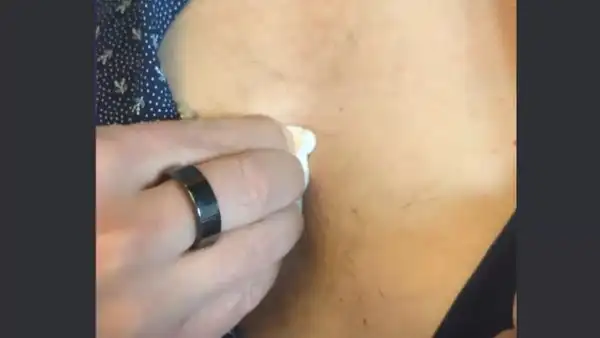

The new rice grain-sized pacemaker is leadless, which significantly reduces the risk of infections and complications. Being so small, it can be implanted directly into the heart through a catheter-based procedure, eliminating the need for chest incisions or visible scars.
How Does the Tiny Pacemaker Work?
This miniature device is implanted directly into the heart’s right ventricle. It contains a battery, a pulse generator, and electrodes—all in a compact structure. Once implanted, it senses the heart’s natural rhythm and delivers electrical impulses when needed to keep the heartbeat regular.
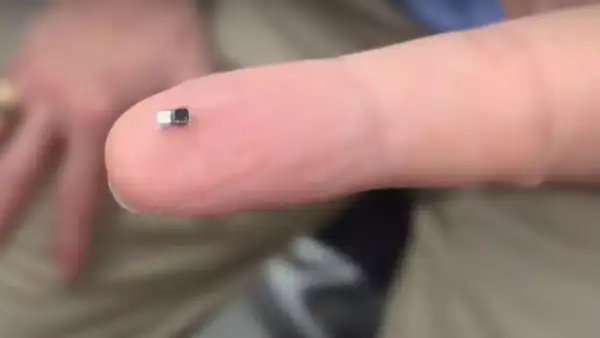
The device is MRI-compatible, making it safe for patients requiring future scans, and it boasts a battery life of up to 12 years, making it both durable and efficient. Furthermore, it is controlled through external wireless programming, giving doctors real-time access to a patient’s heart data.
A New Era in Heart Care – Especially for Developing Countries
In countries like Pakistan, where heart disease is a leading cause of death and access to advanced cardiac care is limited, such technological innovations hold immense promise. With its minimally invasive nature, the tiny pacemaker could make life-saving treatment more accessible, especially for elderly or high-risk patients who may not tolerate open-heart surgery.
Hospitals in Pakistan are steadily advancing in adopting global medical technologies. With public and private sector collaboration, making such devices available locally could drastically improve cardiac care outcomes.
What This Means for the Future
The launch of the world’s smallest pacemaker is a testament to how far medical technology has come. It represents hope for millions battling heart rhythm disorders, enabling quicker recovery, fewer complications, and longer-lasting results. As the device begins global deployment, healthcare systems must prepare to integrate this innovation into routine cardiac care, ensuring it reaches those who need it most—especially in developing nations like Pakistan.


