






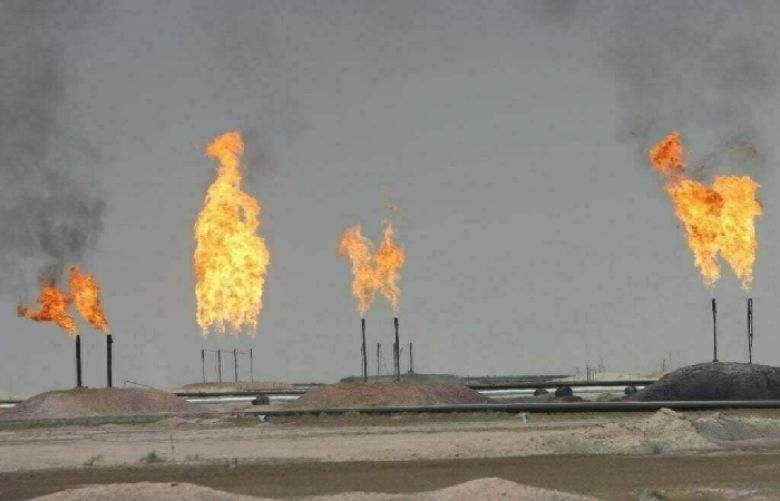
Pakistan’s energy sector has received a much-needed breakthrough as Mari Petroleum Company Ltd (MPCL) announced the discovery of new oil and gas reserves in North Waziristan. The find, located at the Spinkwam-1 well within the Waziristan Block, is expected to play a crucial role in reducing the country’s energy import burden and stabilising domestic energy supply.
A Significant Discovery in the Lockhart Formation
The Spinkwam-1 well was drilled into the Lockhart Formation, a promising hydrocarbon-bearing zone. The initial well testing has shown extremely encouraging results, with 70.3 million standard cubic feet per day (MMSCFD) of natural gas and 310 barrels per day (BPD) of condensate being produced. The well was tested at a wellhead flowing pressure of 3,264 psig on a 64/64″ choke.
These numbers indicate a strong and commercially viable reservoir, positioning the site as one of the most impactful discoveries in recent times. Given Pakistan’s growing energy needs, this development is likely to make a substantial contribution to the national grid.
Strategic Partnerships and National Significance
MPCL is the operator of the Waziristan Block and holds a 55% working interest in the venture. The discovery is a joint effort in collaboration with two major industry players — Oil and Gas Development Company Ltd (OGDCL) with a 35% share, and Orient Petroleum holding the remaining 10%.
This collaboration showcases the potential of public-private partnerships in Pakistan’s exploration and production sector. It also underlines the geological potential of Khyber Pakhtunkhwa, particularly in tribal and remote regions like North Waziristan, which were previously under-explored due to security and logistical challenges.
Economic and Energy Implications
With Pakistan facing rising energy costs and dependency on imported fuels, local discoveries like Spinkwam-1 are vital. The government currently spends billions of dollars annually on LNG and oil imports. New domestic reserves can help cut the import bill, reduce circular debt, and stabilise power tariffs.
Additionally, local extraction has a positive impact on regional development, job creation, and infrastructure. For a region like North Waziristan, often underdeveloped and facing socio-economic challenges, this could mark the beginning of improved economic activity and government focus.
Future Outlook for Exploration in Pakistan
Pakistan continues to be under-explored in terms of hydrocarbons. The success of the Spinkwam-1 well is expected to encourage further exploration activities, especially in the northern and western basins of the country. It also sends a positive signal to foreign investors who may be considering ventures in Pakistan’s energy market.
The Ministry of Energy and Petroleum Division is expected to work closely with stakeholders to fast-track production from this well and explore adjacent prospects within the same block.
Conclusion
The discovery in North Waziristan is not just a technical achievement but a potential turning point in Pakistan’s journey towards energy security. With collaborative efforts, policy support, and continued investment, such breakthroughs can help shape a more resilient and self-sufficient energy future for the country.


