





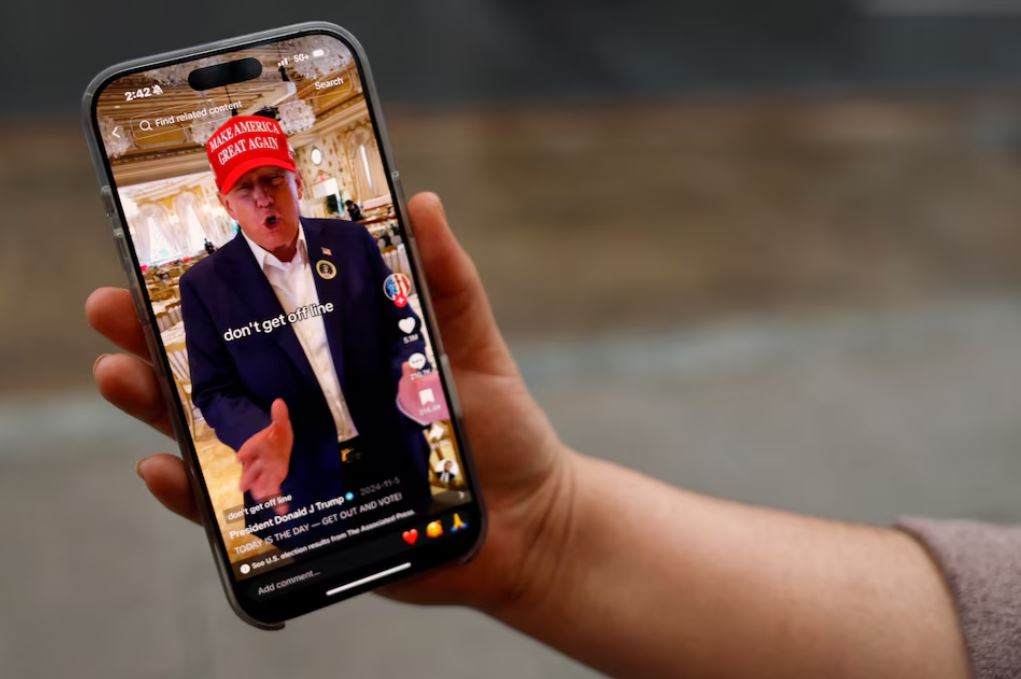
In a significant turn of events, TikTok has successfully restored its service in the United States, marking the resolution of a long-standing conflict between the Chinese-owned platform and U.S. authorities. The move has drawn attention globally, not only because of the platform’s immense popularity but also due to the political backdrop of the situation.
Background: The Conflict That Sparked Global Debate
TikTok, owned by the Chinese company ByteDance, faced scrutiny from the U.S. government under the administration of former President Donald Trump. Concerns about data security and potential links to the Chinese government led to a series of legal and political challenges. Trump’s administration argued that TikTok posed a national security threat, given the vast amount of data it collects from its millions of users in the U.S.
In 2020, the Trump administration issued executive orders seeking to ban TikTok in the U.S. unless its operations were sold to an American company. This sparked widespread debate about data privacy, digital sovereignty, and the implications of banning a major social media platform. Legal battles ensued, with TikTok repeatedly defending its practices and attempting to negotiate a solution.
The Restoration: A Resolution Years in the Making
Fast forward to 2025, TikTok’s restoration of service in the U.S. comes as a result of extended negotiations, compliance measures, and adjustments to its operations. ByteDance has reportedly implemented robust data security protocols and increased transparency in response to U.S. concerns. The establishment of data centers within the United States to store user information locally was a key step in this direction.
Moreover, the company’s collaboration with U.S.-based partners and its willingness to undergo third-party audits helped rebuild trust with American authorities. This strategic approach ultimately led to the lifting of restrictions and the full restoration of TikTok’s service.
A Precedent in Social Media Regulation
TikTok’s journey highlights an unprecedented chapter in the history of social media. The U.S. has never before moved to ban a major platform outright, making this case a landmark moment in the regulation of digital platforms. The resolution also raises questions about the future of cross-border digital interactions and the role governments will play in regulating global technology companies.
Reaction from Stakeholders
The restoration has been met with mixed reactions. TikTok’s millions of U.S. users expressed relief and excitement at the platform’s return. Influencers and creators who depend on TikTok for their livelihoods celebrated the news, with many taking to social media to share their enthusiasm.
Former President Trump, who was instrumental in initiating the ban, commented on the development, stating, “TikTok’s compliance with U.S. demands is a victory for national security and accountability in the tech industry. This proves that America will always prioritize the safety and privacy of its citizens.”
On the other hand, critics argue that the entire episode set a dangerous precedent for government intervention in technology. Digital rights organizations have raised concerns about the implications of targeting specific platforms, emphasizing the need for comprehensive, fair regulations rather than isolated actions.
TikTok’s Future in the U.S.
With its service restored, TikTok faces the challenge of regaining user trust and ensuring compliance with the stringent measures put in place. The platform’s popularity in the U.S., particularly among younger demographics, suggests it has a solid foundation to rebuild from.
TikTok’s success in navigating this crisis also serves as a blueprint for other global platforms facing regulatory hurdles. The company’s emphasis on transparency, collaboration, and proactive measures offers valuable lessons for the tech industry.
Conclusion
The restoration of TikTok’s service in the U.S. underscores the complexities of regulating global digital platforms in an increasingly interconnected world. While it resolves one of the most high-profile tech disputes of recent years, it also sets the stage for future discussions on data privacy, sovereignty, and the balance between security and innovation. As TikTok resumes its operations, the episode remains a pivotal moment in the evolution of social media and technology governance.


