






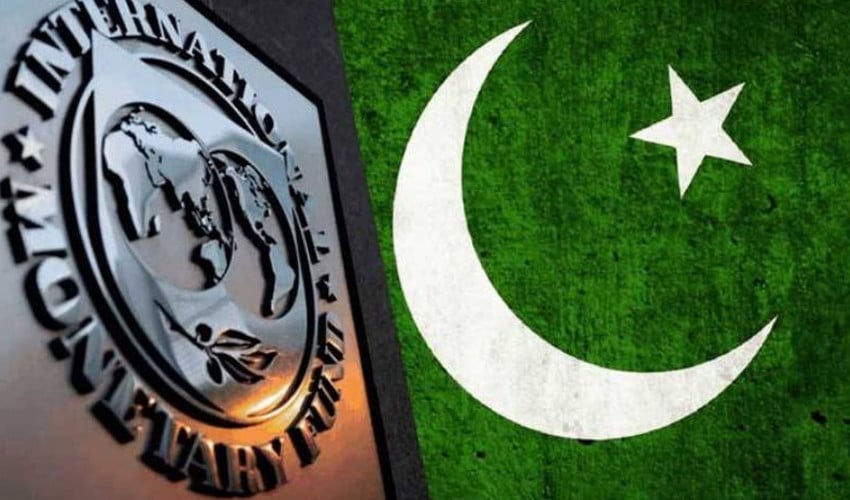
Pakistan has successfully concluded negotiations with the International Monetary Fund (IMF) for the release of a $1 billion tranche under its ongoing loan program. This development marks a crucial step in stabilizing the country’s economy, securing much-needed financial support, and ensuring macroeconomic stability.
IMF Deal: Key Highlights
✔ $1 Billion Disbursement Approved – Pakistan will receive $1 billion as part of its Stand-By Arrangement (SBA) with the IMF.
✔ Commitment to Economic Reforms – The government has assured the IMF of its commitment to fiscal discipline, tax reforms, and energy sector improvements.
✔ Foreign Exchange Reserves Strengthened – The incoming funds will boost foreign exchange reserves, helping stabilize the Pakistani Rupee against the US dollar.
Impact on Pakistan’s Economy
🔵 Currency Stability – The IMF tranche will ease pressure on the Rupee, potentially reducing exchange rate volatility.
🔵 Investor Confidence – Successful negotiations will boost investor confidence, attracting foreign direct investment (FDI) and improving stock market performance.
🔵 Inflation Control – With increased reserves, Pakistan may be able to manage imports more effectively, helping to stabilize inflation.
Conditions and Challenges
⚠ Strict Economic Reforms – The IMF has emphasized the need for structural reforms, including tax collection improvements, energy price adjustments, and reduced fiscal deficits.
⚠ Public Concerns Over Rising Costs – While the IMF deal provides financial relief, potential subsidy cuts and price hikes in fuel and electricity could impact the general public.
⚠ Long-Term Economic Stability – Experts warn that while IMF funds offer short-term relief, sustainable economic policies and revenue generation are essential for long-term growth.
Conclusion
The successful IMF loan tranche approval is a positive step for Pakistan’s economy, ensuring financial stability and currency support. However, strong governance, economic diversification, and investment in local industries are needed to achieve long-term financial independence. The government must now implement necessary reforms while balancing public welfare and economic growth.


