






Introduction
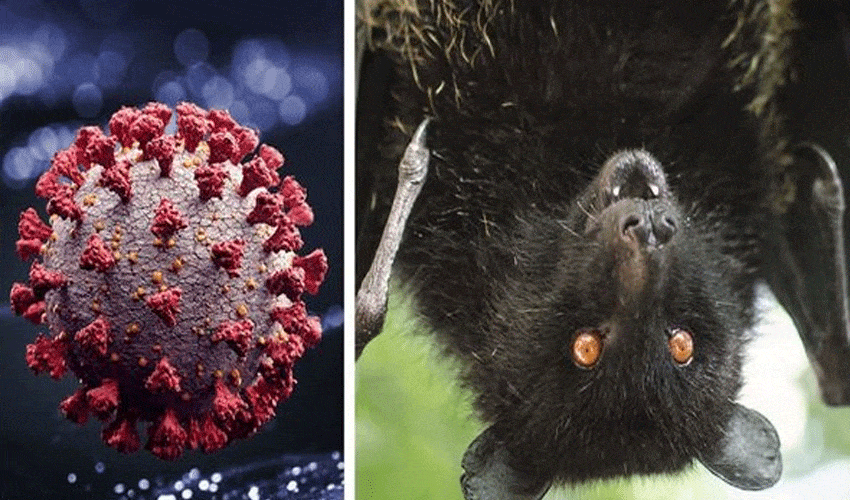
Chinese scientists have identified a new bat virus that shares striking genetic similarities with SARS-CoV-2, the virus responsible for COVID-19. The discovery, made by researchers studying bat populations in China, has raised concerns about potential future pandemics and the ongoing risks of zoonotic disease transmission.
According to reports, the newly discovered virus exhibits structural and functional traits that make it capable of infecting human cells. This finding has prompted scientists to closely monitor its potential risks while reinforcing the need for enhanced global surveillance of emerging viruses.
What Scientists Have Discovered
The newly identified virus, found in bats from a remote region of China, has been classified as belonging to the coronavirus family, similar to SARS (Severe Acute Respiratory Syndrome) and SARS-CoV-2 (COVID-19 virus). Key details about the virus include:
- Genetic Similarity to SARS-CoV-2: The virus shares a high percentage of its genetic code with the COVID-19 virus, particularly in the spike protein that helps it bind to human cells.
- Potential for Human Transmission: Preliminary lab studies indicate that the virus could bind to ACE2 receptors in human cells, which is the same mechanism COVID-19 used to infect people.
- Origin in Bat Species: The virus was discovered in a specific bat species known to harbor other coronaviruses in the past. Scientists believe that bats act as natural reservoirs for these types of viruses.
- Possibility of Future Mutations: Researchers warn that, while the virus is currently found in bats, it could evolve or recombine with other viruses, increasing the risk of spillover into humans.
The findings have been submitted for further scientific review as experts analyze its potential impact on public health and pandemic preparedness.


Concerns Over Another Possible Outbreak
This discovery has reignited discussions about the threat of emerging viruses and the lessons learned from the COVID-19 pandemic. Scientists and global health organizations, including the World Health Organization (WHO), emphasize that:
- Zoonotic diseases remain a major health risk, as human interactions with wildlife continue to increase.
- Stronger monitoring systems are needed to detect and track potentially dangerous viruses before they spread.
- International cooperation is essential to prevent future pandemics by improving early warning systems, funding virus research, and controlling illegal wildlife trade.
Chinese authorities and researchers are now conducting more in-depth studies to determine if the new virus poses an immediate threat to humans. However, experts stress that while genetic similarities exist, this does not necessarily mean it will cause a pandemic like COVID-19.
Conclusion
The discovery of a new bat virus in China with strong similarities to COVID-19 highlights the ongoing risks posed by emerging infectious diseases. While there is no immediate evidence that this virus will spark another pandemic, scientists are urging proactive monitoring, global cooperation, and improved pandemic preparedness to prevent potential future outbreaks.
With growing concerns over zoonotic disease transmission, this latest finding serves as a critical reminder that strengthening health systems, advancing virus research, and enhancing early detection efforts remain crucial in protecting global public health.


