





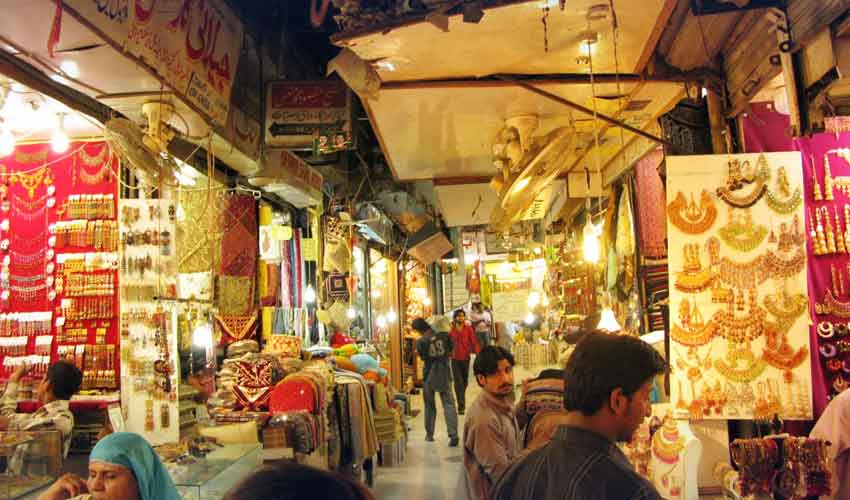
The Lahore High Court has announced stringent measures to address the city’s escalating smog crisis, ordering a comprehensive shutdown of markets by 8:00 pm and a ban on smoke-emitting vehicles on motorways and ring roads. With Lahore’s Air Quality Index (AQI) reaching alarming levels, the court’s directives aim to mitigate the environmental impact of both traffic and commercial activity. These measures come as part of a larger initiative to improve air quality and safeguard public health.
Addressing the Air Quality Emergency: Court-Mandated Changes
The Lahore High Court’s decision to close markets early highlights a targeted effort to reduce energy consumption and minimize pollution levels in the city. By enforcing an 8:00 pm market closure, authorities hope to curb vehicular emissions resulting from extended shopping hours, particularly during peak evening traffic. This restriction is expected to alleviate congestion on Lahore’s heavily trafficked roads and help prevent pollution buildup caused by prolonged commercial activities.
In addition to early market closures, the court has ordered an immediate ban on vehicles emitting excessive smoke on motorways and ring roads. This measure is directed at tackling vehicular pollution, a significant contributor to Lahore’s declining air quality. Authorities are now expected to enforce regular inspections on key highways and urban areas to ensure compliance.
Regulatory Action on Smoke-Emitting Vehicles


As part of its directive, the Lahore High Court emphasized the urgent need for regular checks on vehicles emitting pollutants, calling for a robust inspection mechanism on the city’s major thoroughfares. Motorways and ring roads, which experience heavy traffic flow daily, are now under stricter surveillance to ensure that only vehicles meeting emission standards are allowed to operate.
Punjab’s Air Quality Reaches Hazardous Levels Amid Mask Non-Compliance
By imposing these regulations, the court aims to control a primary source of air pollution in Lahore—vehicular emissions. With older and improperly maintained vehicles identified as key contributors to air pollution, the court’s decision marks a proactive step toward cleaner urban air. The directive also aligns with broader global practices that recognize transportation as a major area for emission reduction and environmental protection.
The Role of the Lahore High Court in Environmental Protection
The Lahore High Court has increasingly played a critical role in addressing environmental concerns, with recent decisions reflecting an intensified commitment to tackling air pollution and improving public health. Earlier mandates, including restrictions on construction dust and mandatory tree plantation drives, have positioned the court as a leader in Lahore’s fight against pollution.
Through these measures, the court continues to engage various sectors and public institutions in environmental conservation, urging compliance with health and environmental standards. The latest directives to close markets early and regulate vehicular emissions reflect the court’s ongoing dedication to implementing long-term solutions that can address the root causes of Lahore’s air quality issues.
Enforcement Challenges and Public Cooperation
Implementing these new directives presents significant challenges for local authorities tasked with ensuring compliance across various sectors. Enforcing early market closures and regulating vehicular emissions necessitate extensive coordination between environmental agencies, law enforcement, and municipal authorities. Public cooperation will also play a crucial role in the successful enforcement of these measures.
To facilitate this, awareness campaigns are expected to help educate citizens and business owners about the health risks associated with smog and pollution. Businesses may face adjustments to operating hours, while commuters could experience stricter vehicle checks, all in the interest of reducing the harmful effects of air pollution on the population.
Impact on Public Health and Urban Environment
The Lahore High Court’s intervention is likely to bring notable improvements to Lahore’s urban air quality, addressing public health risks that arise from prolonged exposure to smog and vehicular emissions. High pollution levels have been linked to respiratory illnesses, cardiovascular problems, and other severe health conditions, especially among vulnerable groups such as children, the elderly, and those with preexisting health issues.
These new measures align with Lahore’s broader objectives for sustainable urban planning, focusing on reducing the environmental footprint of both commercial activity and vehicular transport. Enhanced air quality monitoring systems and public health advisories are anticipated to complement the court’s directives, fostering a cleaner environment and promoting healthier lifestyles in the city.
Future Outlook for Lahore’s Environmental Policies
The Lahore High Court’s latest directives may set a precedent for future environmental policies across Punjab, with other cities potentially adopting similar measures to control pollution levels. The court’s proactive approach underscores a growing recognition of the need for stringent environmental standards and regulatory oversight to address the evolving challenges posed by urbanization and industrial growth.
In summary, the Lahore High Court’s enforcement of market closures and vehicular restrictions signifies a major step forward in Lahore’s battle against smog. By prioritizing public health and environmental sustainability, the court has set in motion a series of regulations designed to foster cleaner air and improve quality of life. These measures, if effectively implemented, could serve as a foundational model for broader, long-term environmental reforms across the region.


