





The recent decline in interest rates in Pakistan has elicited a positive response from citizens, especially in Khyber Pakhtunkhwa (KP), where improved economic indicators and eased inflation have driven optimism. The move aligns with the government’s efforts to stimulate economic growth, reduce inflationary pressures, and provide financial relief to individuals and businesses. As a region significantly impacted by inflation, KP residents are seeing the effects of this shift, acknowledging the potential for improved purchasing power and business expansion.
Economic Context of Interest Rate Adjustments in Pakistan
Interest rate adjustments serve as a critical economic tool for managing inflation and encouraging investment. In Pakistan, where inflation rates reached concerning levels earlier this year, the decision to lower interest rates has been welcomed by both the public and business sectors. Central banks worldwide often increase rates to control inflation; however, lowering rates during periods of economic stabilization can stimulate growth. In KP, citizens are beginning to witness these effects, from improved purchasing power to more accessible financing options.
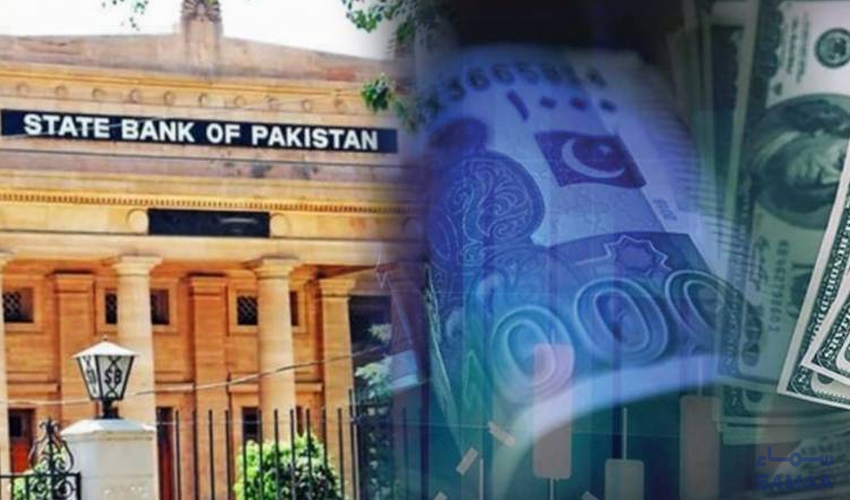
The State Bank of Pakistan (SBP) recently made a strategic move to reduce interest rates to support local businesses and encourage consumer spending. The decision reflects an effort to balance economic growth with financial stability, which has been met with cautious optimism by KP’s business community and residents alike. Lower interest rates often mean lower costs for borrowing, which can lead to increased business activity, new investments, and ultimately, a more robust economy.
Public Reaction: Improved Purchasing Power and Economic Outlook
The response to interest rate cuts among KP residents underscores a renewed sense of financial confidence. Households report that reduced interest rates have eased monthly expenses, allowing for better financial planning and the ability to allocate resources towards essential needs and modest luxuries. Business owners in KP have noted that lower rates have made it easier to consider expansion or improvement efforts, as loan repayment becomes more manageable, and investment in resources and staff becomes a viable option.
One of the key benefits acknowledged by the public is improved purchasing power. Lower interest rates reduce the burden on personal and business loans, freeing up disposable income and fostering an environment where individuals feel more secure in making essential purchases. KP citizens emphasize that this relief in financial obligations is crucial in navigating the economic challenges of recent years, bringing hope for a sustained improvement in local financial health.
The reduction in rates has also spurred optimism for future economic stability in KP. As citizens begin to feel the effects of interest rate cuts, the expectation is that inflationary pressures may continue to ease, further improving quality of life for individuals and business opportunities for entrepreneurs. This public sentiment marks a significant shift, with many expressing hope for ongoing relief from the financial strain experienced in recent years.
Business Expansion and Investment Prospects in KP
Interest rate reductions carry substantial benefits for businesses, especially those operating in industries that rely on credit to finance expansion and operations. In KP, small and medium enterprises (SMEs) make up a significant portion of the local economy, and reduced borrowing costs could play a pivotal role in encouraging growth within this sector. The region’s entrepreneurs, who previously faced high loan costs, can now consider plans for expansion, new product lines, and workforce investments, spurred by more favorable borrowing conditions.
Local business owners have expressed interest in leveraging lower interest rates to secure loans for business expansion and asset purchases. For example, construction companies and manufacturers in KP, which rely heavily on credit for acquiring machinery and raw materials, stand to benefit from lower interest rates. By reducing operating costs, businesses have the potential to pass on savings to consumers, which could spur demand, increase revenue, and foster economic development within the region.


The Long-Term Economic Impact of Interest Rate Cuts
While the immediate response to reduced interest rates is positive, experts suggest that sustained economic benefits will depend on stable monetary policies and continued efforts to manage inflation. Reducing interest rates alone is not a comprehensive solution to economic challenges, but it is a significant step towards alleviating financial pressures on individuals and businesses in KP. Long-term success will require ongoing monitoring of economic indicators to ensure that growth is balanced and sustainable.
Economic experts highlight that while the reduction in interest rates boosts the economy in the short term, careful management is essential to prevent potential inflationary impacts in the future. As more people and businesses in KP take advantage of low-interest loans, an increase in demand for goods and services is anticipated, which may impact price levels. The government and the State Bank of Pakistan must continue to implement measures that maintain this balance, ensuring that the benefits of lower rates are not offset by future inflation risks.
KP’s Path to Economic Growth and Financial Resilience
The interest rate reduction comes as part of broader efforts by the government and SBP to stabilize the national economy and address inflation. KP, a region with a significant population engaged in trade, agriculture, and small industries, stands to benefit substantially from these measures. Local businesses can access new opportunities, create jobs, and potentially drive regional economic growth as a result of this policy shift.
In addition, financial institutions in KP are expected to play a pivotal role in promoting the benefits of reduced rates to potential borrowers. The region’s banks are increasingly offering low-interest loan products, encouraging entrepreneurship, and enabling more citizens to engage in productive activities. Access to financing for education, home purchases, and business endeavors is likely to increase, supporting KP’s economy in adapting to a low-interest environment.


