





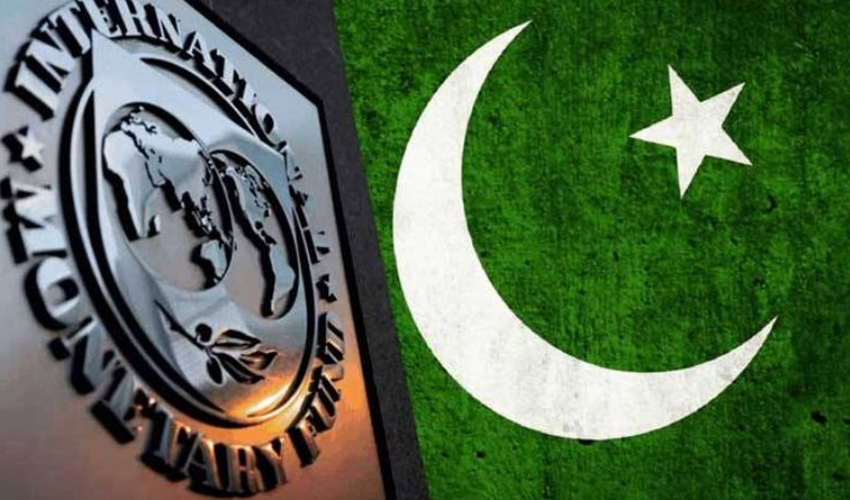
The International Monetary Fund (IMF) has placed a significant demand on Pakistan as part of a new loan program: a moratorium. This demand underscores the urgent need to address import restrictions, which have been a focal point in discussions between Pakistan and the IMF. As negotiations progress, it is crucial to examine the implications and complexities surrounding these demands.
The IMF’s insistence on reducing import restrictions is rooted in its goal of promoting economic liberalization and fostering international trade. Import restrictions, such as tariffs and subsidies to export sectors, can distort market dynamics and hinder economic efficiency. By advocating for their removal, the IMF aims to create a more open and competitive environment conducive to sustainable growth.
The IMF is pushing for a phased removal of import restrictions, signaling a gradual transition towards liberalization. This approach allows for adjustments to be made in a controlled manner, mitigating potential disruptions to domestic industries and markets. However, the Ministry of Finance’s agreement to cut import duties in line with the IMF’s demands suggests a willingness to prioritize macroeconomic stability and fiscal discipline.
Despite the IMF’s emphasis on liberalization, the Ministry of Commerce has raised concerns about the impact on local industries. Protecting domestic manufacturers and businesses is paramount to safeguarding employment opportunities and fostering industrial growth. As such, the Ministry of Commerce has advocated for measures to ensure the competitiveness of local industries amidst increased competition from foreign imports.
The delicate balance between liberalization and protectionism underscores the complexity of Pakistan’s economic landscape. While reducing tariffs may facilitate access to foreign goods and promote consumer welfare, it also poses challenges for domestic producers. The potential influx of cheaper imports could threaten the viability of local industries, leading to job losses and economic dislocation.
In navigating these challenges, policymakers must adopt a nuanced approach that addresses both the short-term imperatives of fiscal consolidation and the long-term goals of economic development. This entails striking a balance between the demands of international financial institutions like the IMF and the imperative to safeguard domestic interests.
Furthermore, the success of any policy measures hinges on effective implementation and monitoring mechanisms. Transparent governance structures and robust regulatory frameworks are essential to ensure that trade liberalization efforts translate into tangible benefits for the economy and society as a whole.
As Pakistan moves forward with its negotiations with the IMF and implements reforms to address import restrictions, stakeholder engagement and consultation are critical. The involvement of various stakeholders, including industry representatives, labor unions, and civil society organizations, can help identify potential challenges and opportunities and inform the design of policies that promote inclusive and sustainable economic growth.
In conclusion, Pakistan’s agreement to remove import restrictions in line with the IMF’s demands represents a significant development in its economic policy landscape. However, the implementation of these reforms must be carefully managed to balance the imperatives of liberalization with the need to protect domestic industries and promote inclusive growth. By fostering dialogue and collaboration among stakeholders, Pakistan can navigate this challenging terrain and chart a path towards economic resilience and prosperity.


