





Cholesterol plays a vital role in the body, contributing to cell membrane structure, hormone production, and vitamin D synthesis. However, high cholesterol levels, particularly of the LDL variety, pose significant risks, leading to serious conditions such as heart disease and stroke. According to the Centers for Disease Control and Prevention (CDC), around 94 million U.S. adults have borderline high cholesterol, which often goes unnoticed due to a lack of symptoms.
What is Cholesterol?
Cholesterol is a lipid that the liver naturally produces. While crucial for the body’s function, too much cholesterol—especially from external sources like saturated fats—can result in dangerous plaque formation in the arteries. Since cholesterol does not dissolve in water, it must be transported through the bloodstream by lipoproteins, which come in two forms:
- Low-Density Lipoprotein (LDL): Often termed “bad cholesterol,” LDL carries cholesterol to the arteries. High levels of LDL can lead to plaque buildup, increasing the risk of cardiovascular problems.
- High-Density Lipoprotein (HDL): Known as “good cholesterol,” HDL helps remove cholesterol from the bloodstream, reducing the risk of plaque buildup.
Causes of High Cholesterol
Several factors contribute to elevated cholesterol levels:
- Diet: Foods rich in saturated fats and trans fats, such as red meat, processed foods, and fried items, raise cholesterol levels.
- Obesity: Excess body weight can contribute to high LDL levels.
- Physical Inactivity: A sedentary lifestyle often correlates with higher LDL and lower HDL levels.
- Smoking: Smoking damages blood vessels, increasing the likelihood of cholesterol deposits.
- Genetics: Conditions like familial hypercholesterolemia prevent the body from effectively processing cholesterol, leading to significantly high levels.
LDL vs. HDL: Understanding Their Roles
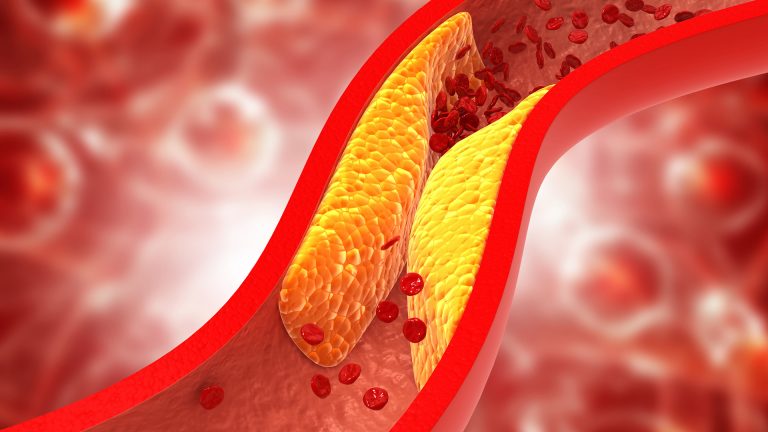
LDL cholesterol is problematic when present in large quantities, as it contributes to the formation of plaque in the arteries. This condition, called atherosclerosis, narrows the arteries, restricting blood flow and heightening the risk of heart attack or stroke. On the other hand, HDL cholesterol helps counterbalance LDL by transporting it to the liver for removal from the body, thus protecting against cardiovascular disease.
Health Risks of High Cholesterol
Uncontrolled high cholesterol can have dire consequences, such as:
- Heart Disease: Plaque buildup in coronary arteries can restrict blood flow to the heart, leading to chest pain (angina) or heart attacks.
- Stroke: A blocked artery supplying blood to the brain can cause a stroke.
- Peripheral Artery Disease (PAD): Reduced blood flow to limbs can result in pain and mobility issues.
Routine cholesterol screenings are crucial for early detection, especially since high cholesterol typically presents without symptoms. The American Heart Association (AHA) recommends adults aged 20 and older undergo cholesterol testing every four to six years.
Diagnosis: Checking Your Cholesterol Levels
A lipid panel is a common test used to measure cholesterol levels in the blood. This panel assesses:
- Total Cholesterol: The overall amount of cholesterol in the blood, including LDL and HDL.
- LDL Cholesterol: The “bad” cholesterol.
- HDL Cholesterol: The “good” cholesterol.
- Triglycerides: A different type of fat that, like cholesterol, can contribute to heart disease when elevated.
Here are the general categories for total cholesterol levels:
| Total Cholesterol | Category |
|---|---|
| Less than 200 mg/dL | Desirable |
| 200-239 mg/dL | Borderline High |
| 240 mg/dL and above | High |
For LDL, the following categories apply:
| LDL Cholesterol | Category |
|---|---|
| Less than 100 mg/dL | Optimal |
| 100-129 mg/dL | Near Optimal |
| 130-159 mg/dL | Borderline High |
| 160-189 mg/dL | High |
| 190 mg/dL and above | Very High |
How to Lower Cholesterol
There are effective ways to manage and lower cholesterol levels:
- Diet: Focus on a diet low in saturated and trans fats. Foods such as lean proteins (chicken, fish), high-fiber items (fruits, vegetables), and whole grains can help lower cholesterol. Omega-3 fatty acids found in fish, walnuts, and flaxseeds may also reduce LDL levels.
- Exercise: Regular physical activity, such as walking, cycling, or swimming, helps raise HDL levels while reducing LDL levels.
- Quit Smoking: Smoking cessation has been shown to improve HDL levels and overall heart health.
- Medications: Doctors may prescribe medications like statins to help lower LDL levels. Other options include niacin and cholesterol absorption inhibitors.
Cholesterol Medications
For individuals unable to control cholesterol through diet and exercise alone, several medications are available:
- Statins: Drugs like atorvastatin (Lipitor) and simvastatin (Zocor) block cholesterol production in the liver.
- PCSK9 Inhibitors: Alirocumab (Praluent) and evolocumab (Repatha) are newer medications that lower LDL by enhancing the liver’s ability to remove it from the blood.
- Cholesterol Absorption Inhibitors: Ezetimibe (Zetia) prevents cholesterol absorption from food.
Prevention: Lifestyle Changes Matter
Although genetics can play a role in high cholesterol, lifestyle changes can significantly reduce the risk:
- Healthy Eating: Choose heart-healthy foods that are low in saturated and trans fats.
- Physical Activity: Aim for at least 150 minutes of moderate exercise per week.
- Maintain a Healthy Weight: Weight loss can lower LDL and triglycerides.
- Avoid Smoking and Excessive Alcohol: Both can negatively affect cholesterol levels and heart health.
Conclusion: Monitoring and Managing Cholesterol Levels
Regular monitoring of cholesterol levels and a proactive approach to lifestyle changes can significantly reduce the risk of heart disease and stroke. If diagnosed with high cholesterol, working closely with healthcare providers to adopt a tailored treatment plan can prevent complications and improve overall health. By focusing on diet, exercise, and, when necessary, medication, individuals can maintain healthy cholesterol levels and enjoy a healthier life.


