







In a strategic move to promote the adoption of electric vehicles (EVs) and address environmental concerns, the Pakistani government has announced a substantial reduction in electricity tariffs for EV charging stations. This initiative aims to make EVs more accessible to the public, reduce reliance on fossil fuels, and align with global trends toward sustainable transportation.
Reduction in Charging Tariffs
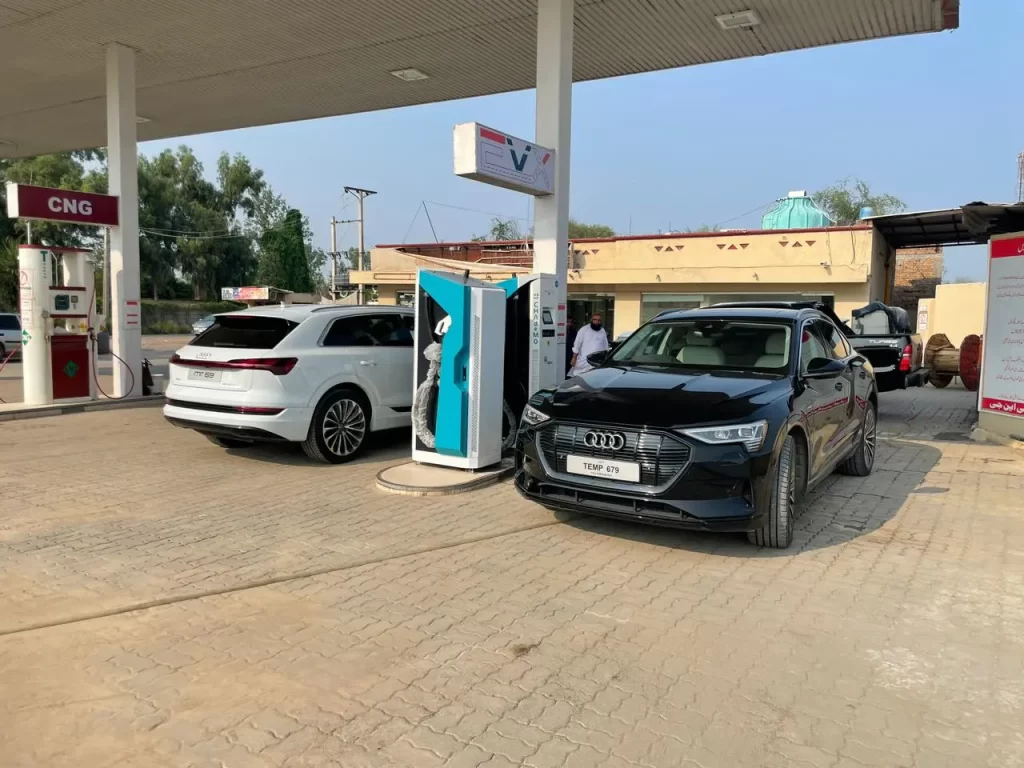
The federal government has approved a 45% decrease in electricity tariffs for EV charging stations, lowering the rate from Rs71.10 to Rs39.70 per unit. This significant reduction is designed to encourage both consumers and investors to transition toward electric mobility by making charging more affordable and accessible.

Streamlining EV Infrastructure Development
To further support the growth of EV infrastructure, the government has introduced measures to expedite the establishment of charging stations. Approvals for setting up EV charging stations will now be processed within 15 days through an online portal, eliminating bureaucratic delays and fostering a conducive environment for investment in the EV sector.
Economic and Environmental Impact
The transportation sector in Pakistan heavily relies on imported fuels, with motorcycles and three-wheelers consuming over $5 billion worth of petroleum annually. By promoting the use of electric vehicles, particularly two- and three-wheelers, the government aims to reduce this financial burden significantly. The initial phase targets the conversion of one million two-wheelers to electric bikes, potentially saving approximately $165 million in fuel import costs each year.
Conclusion
The government’s proactive approach in reducing EV charging tariffs and streamlining infrastructure development reflects a strong commitment to sustainable transportation and environmental conservation. These initiatives are poised to accelerate the adoption of electric vehicles in Pakistan, offering economic benefits through reduced fuel imports and contributing to global efforts in combating climate change.


