





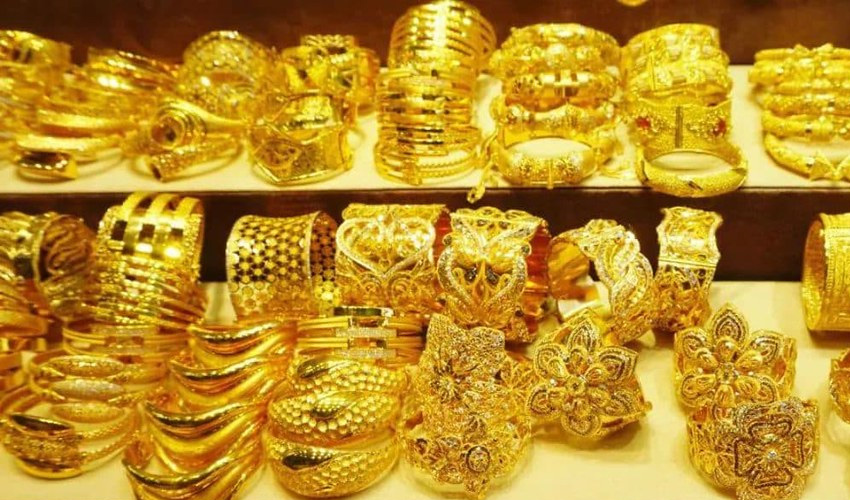
Gold prices in Pakistan have surged yet again, drawing attention from investors and economic analysts. The upward trajectory reflects the country’s economic uncertainties, inflationary pressures, and the global preference for safe-haven assets amid volatile markets. As inflation affects purchasing power and investment returns, the rising gold prices continue to impact both large-scale and individual investors. At the same time, silver prices have remained steady, reflecting a distinct trend in the demand dynamics of precious metals in Pakistan.
Gold Price in Pakistan: Recent Trends and Drivers
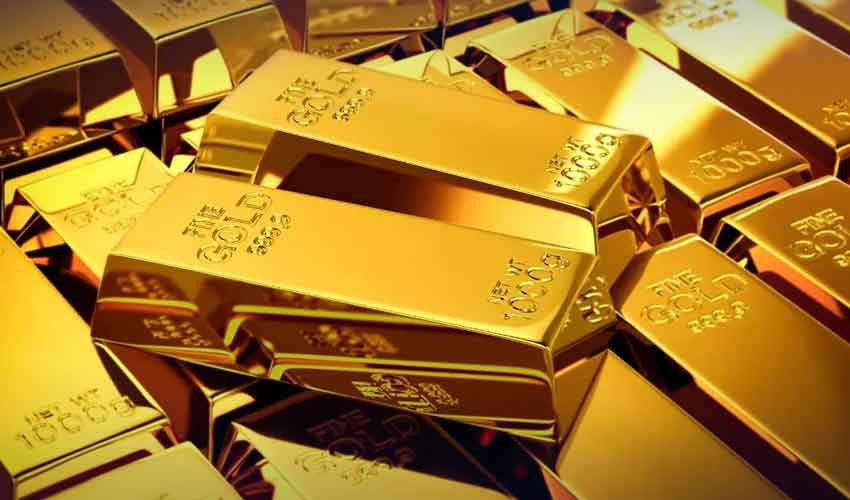
The recent spike in the gold prices in Pakistan follows a global trend of increasing demand for gold as economic conditions become challenging. International market factors such as the strength of the U.S. dollar, fluctuating oil prices, and the increasing allure of low-risk investments like gold have significantly impacted local prices. Pakistan’s gold rate per tola recently reached unprecedented levels, a significant indicator of the broader economic pressures on the country.
Economic uncertainty has been a primary driver behind the surge in the price of gold. The rising inflation rate, increased costs of living, and depreciation of the Pakistani rupee have led to decreased public confidence in traditional currency investments, making gold an attractive alternative. Investors often turn to gold in periods of economic stress because it historically preserves value and acts as a hedge against inflation. Pakistan’s reliance on imported commodities has worsened currency depreciation, and local gold markets reflect this dynamic as the cost of gold per tola has surged due to rising international import costs.

Stability in Silver Prices Amid Market Fluctuations
While gold prices have increased, silver has maintained steady pricing at approximately Rs3,350 per tola in Pakistan. Silver’s relative price stability compared to gold can be attributed to several factors, including its lower demand in the investment market and industrial sector. Silver traditionally experiences less volatility than gold, partly because it has diverse industrial uses, and its price fluctuations are less driven by investor sentiment.
The consistent price of silver amidst economic uncertainty may appeal to smaller investors who want to safeguard their wealth without committing to the more expensive gold market. However, silver’s lower status as a safe-haven asset means it remains less impacted by shifts in inflation and economic pressures than gold.
Read Also: Gold Prices in Pakistan Witness Minor Decrease While Silver Holds Steady
Impact on Economy and Local Markets of Gold Prices in Pakistan
The rise in gold prices has direct implications for Pakistan’s economy, affecting both the urban and rural populations. In rural areas, gold is often part of marriage dowries and traditional wealth stores, with rising prices impacting family expenditures. Higher gold prices also affect urban investors, traders, and jewelry businesses. Many people across Pakistan’s social spectrum view gold as a store of wealth, making its price fluctuations deeply influential on spending habits and savings strategies.
Economic analysts believe the increase in gold prices may lead to reduced demand for jewelry, as consumers shift to alternative investments or reconsider non-essential purchases. Higher gold prices may also lead to adjustments in local jewelry pricing strategies, with some jewelers turning to lighter designs or mixed-metal options to attract customers amidst rising costs.
Moreover, the growing trend of purchasing gold as an investment rather than for ornamental purposes indicates that many view the current economic environment as requiring stronger wealth preservation strategies. This shift affects the broader demand for gold in Pakistan and may continue to push prices upward if economic conditions remain uncertain.
International Factors Influencing Gold Prices in Pakistan
The international gold market plays a significant role in influencing the gold price in Pakistan. Recent geopolitical developments, currency exchange rates, and inflation in major economies have all impacted the global gold market, with Pakistan feeling the effects locally. The strength of the U.S. dollar, for instance, has often had an inverse effect on gold prices worldwide, as a strong dollar typically decreases gold demand, while a weaker dollar tends to increase it. As Pakistan imports most of its gold, international market fluctuations directly impact local prices.
The demand for gold has also seen a rise globally, with central banks of various countries increasing their gold reserves as a strategic response to economic uncertainty. China and Russia, among others, have been reported to accumulate gold reserves, causing supply pressures and subsequently pushing prices higher.
Future Predictions for Gold Prices in Pakistan
Experts believe the gold price in Pakistan will continue to face upward pressure as long as economic challenges persist. Should inflation rates rise further or the currency depreciate more significantly, gold is expected to remain a primary investment avenue, continuing to attract Pakistani investors. Analysts suggest that unless there is a substantial recovery in the rupee or stabilization in international gold rates, local prices may continue their upward trend.
For those planning to invest in Gold, closely monitoring both national and international economic indicators is recommended. While some investors may shift to silver as a more affordable alternative, it remains to be seen whether silver prices will also increase in response to prolonged economic instability.
Summary: Navigating the Rising Gold Prices in Pakistan
The recent surge in gold prices in Pakistan, driven by economic uncertainties and global market trends, has spurred increased interest in this traditional safe-haven asset. Economic challenges such as inflation, currency depreciation, and international factors continue to influence the local gold market, pushing prices to unprecedented levels. While silver remains relatively stable, the high demand for gold among investors highlights its role as a hedge against inflation and economic volatility. As prices are likely to stay elevated amid ongoing challenges, consumers and investors may need to consider diversified strategies, adapting to this complex environment to safeguard their financial interests.


