





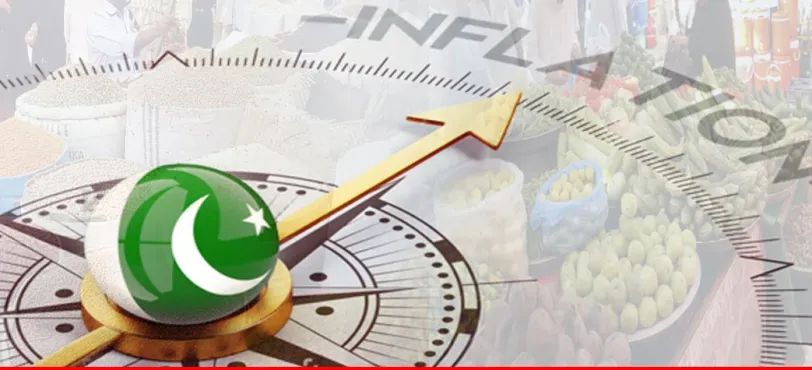
In a surprising turn of events, Pakistan’s short-term inflation rate has turned negative for the first time in seven years. This rare economic shift indicates a temporary relief in consumer prices, offering some breathing room for households struggling with the rising cost of living. However, experts caution that this decline might be short-lived, given the country’s broader economic challenges.
Understanding the Inflation Decline
Short-term inflation, measured by the Sensitive Price Index (SPI), recorded a negative growth rate, meaning that essential commodities have become cheaper compared to the previous period. The decline has been attributed to:
- Falling prices of perishable food items such as vegetables and poultry.
- Reduced fuel prices, leading to lower transportation costs.
- Global commodity price adjustments, impacting Pakistan’s imports.
This negative inflation rate offers temporary relief, but it does not necessarily mean that Pakistan is out of its inflationary crisis.
What Does This Mean for Consumers?
For the average Pakistani household, a dip in inflation means:
✅ Lower prices for essential food items like flour, sugar, and cooking oil.
✅ Potential decrease in fuel and transport costs, easing the burden on commuters.
✅ Improved purchasing power in the short term.
However, the sustainability of this trend remains uncertain, as external economic factors and domestic fiscal policies will influence inflation rates in the coming months.
Economic Experts Caution Temporary Relief
While negative inflation is generally seen as good news, economists warn that this decline could be temporary. Key concerns include:
- Global oil prices that might increase in the coming months, impacting local fuel rates.
- Rupee depreciation, which could make imports expensive, reversing the current trend.
- Potential subsidy cuts and tax adjustments, leading to price hikes.
Economic analysts believe that unless structural reforms are implemented, long-term inflation control will remain a challenge for Pakistan’s fragile economy.
What’s Next for Pakistan’s Economy?
Pakistan’s economic situation remains highly unpredictable, and maintaining inflation stability will require:
✅ Strong monetary policies from the State Bank of Pakistan (SBP).
✅ Government intervention to control commodity prices and ensure market stability.
✅ Sustainable economic reforms to strengthen the rupee and boost local production.
The government is likely to monitor the situation closely and take necessary steps to prevent inflation from rebounding sharply in the coming months.
Final Thoughts
The negative short-term inflation rate is a rare and welcome development for Pakistani consumers, but experts remain cautious about its longevity. Without long-term economic reforms, the decline in prices may be short-lived, making it essential for policymakers to address the root causes of inflation rather than just short-term fluctuations.


