






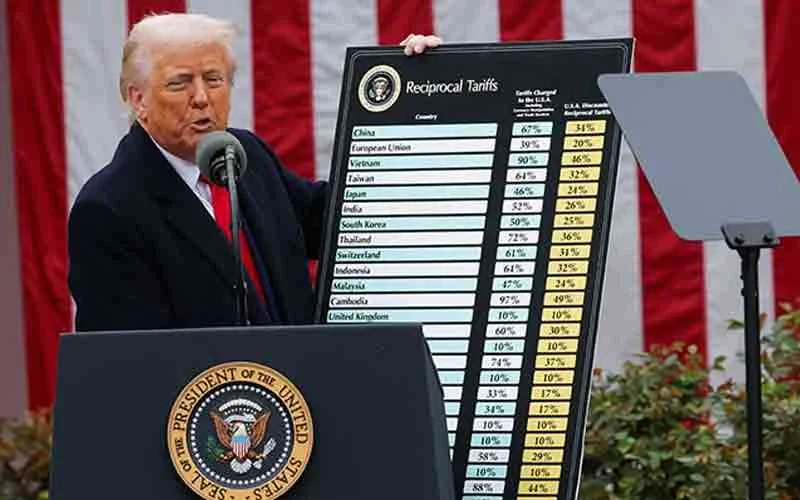
The United States has recently imposed a 29% tariff on Pakistani exports, a move that is expected to significantly impact the country’s trade and economy. This decision has raised concerns among economists, business leaders, and policymakers, as Pakistan relies heavily on exports to maintain its economic stability. While the tariff poses major challenges, some experts also see potential opportunities for Pakistan to diversify its trade strategy and strengthen its local industries.
Impact of the 29% Tariff on Pakistan’s Economy
The increase in tariffs will directly affect Pakistan’s export sector, particularly the textile and garment industries, which are among the country’s biggest earners. With higher costs for Pakistani goods in the US market, demand is likely to decrease, leading to a decline in export revenues. This could result in factories slowing down production, job losses, and reduced foreign exchange earnings for Pakistan.
Moreover, a significant portion of Pakistan’s small and medium enterprises (SMEs) depend on exports to the US. With this new tariff, these businesses will struggle to remain competitive, potentially forcing some to shut down or relocate operations to other markets. The loss in export earnings could also widen Pakistan’s trade deficit, making it even more challenging for the country to meet its financial obligations and economic targets.
Challenges in Competing with Other Exporting Nations
Pakistan is not the only country exporting goods to the US. Competitors like Bangladesh, Vietnam, and India also supply similar products, particularly in the textile sector. With Pakistan’s goods becoming more expensive due to the higher tariff, US buyers might turn to these alternative markets, leading to a shift in trade preferences away from Pakistan.
Furthermore, businesses in Pakistan have already been facing high production costs due to rising energy prices and inflation. The addition of US tariffs further increases pressure on manufacturers, making it harder for them to remain profitable. If the government does not introduce support measures for exporters, many businesses could struggle to stay afloat.
Potential Opportunities for Pakistan
Despite the challenges posed by the US tariff, this situation also presents opportunities for Pakistan to rethink its trade strategy. One of the most effective responses would be to explore new markets and reduce dependency on the US. Countries such as China, Turkey, Saudi Arabia, and the European Union could become key partners for Pakistani exporters. Strengthening trade agreements with these nations could help balance the losses caused by the US tariffs.
Additionally, Pakistan must focus on value-added industries rather than relying solely on raw material exports. Investing in modern technology, skilled labor, and innovation could help create higher-quality products that appeal to global markets. Encouraging foreign direct investment (FDI) and improving ease of doing business could also help Pakistani industries expand internationally.
Conclusion
The 29% tariff imposed by the US on Pakistani exports is a significant challenge that could slow down the country’s economic progress. However, this also serves as a wake-up call for Pakistan to diversify its trade strategies, explore new partnerships, and enhance its manufacturing capabilities. The government must act swiftly to support local exporters, negotiate better trade agreements, and reduce dependency on a single market. By adopting a proactive and strategic approach, Pakistan can turn this economic setback into an opportunity for long-term growth.


