





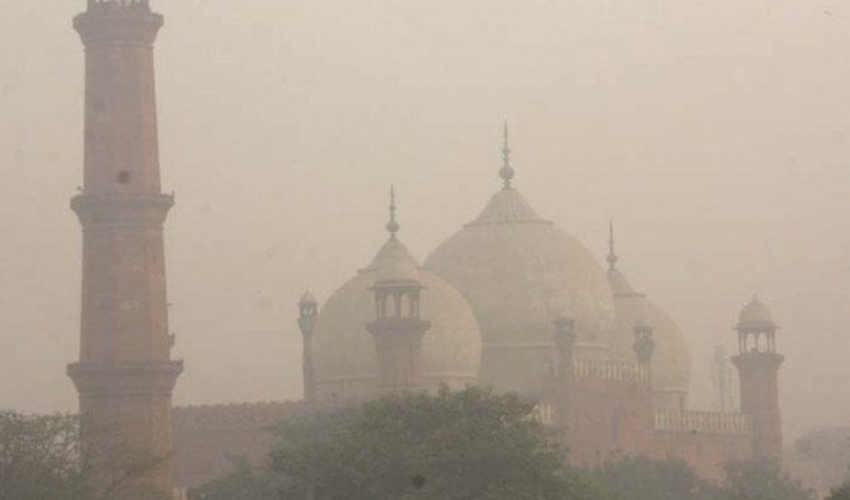
As Lahore’s Air Quality Index (AQI) hits hazardous levels, city authorities and health experts have urged residents to adopt safety measures, including the regular use of face masks, to protect against severe respiratory risks. The Punjab Environment Department has issued health advisories, highlighting the alarming rise in pollution and providing preventive recommendations for residents to minimize exposure to the dangerous smog engulfing the region.
Read Also: Emergency Alert Issued as Smog Chokes Lahore’s Air Quality
Unprecedented Rise in Lahore Air Quality Index
In recent days, Lahore’s AQI has escalated to hazardous levels, with readings exceeding 500 AQI points. This sharp increase is not only concerning for public health but also positions Lahore as one of the most polluted cities globally. According to the Punjab Environment Department, pollutants from both local emissions and transboundary smog from regions across the border have significantly worsened Lahore’s air quality. Factors such as crop burning, industrial emissions, and vehicular pollution have all contributed to the current environmental crisis.
The Air Quality Index (AQI), an internationally recognized standard for measuring air quality, ranks pollutants on a scale from 0 to 500, with higher values indicating increased health risks. A level above 300 is considered hazardous, affecting not only those with existing respiratory issues but also healthy individuals, raising the risk of cardiovascular and respiratory complications. Lahore’s AQI exceeding 500 has thus set off alarms, necessitating urgent measures.

Health Risks and Advisory for Lahore Residents
The hazardous AQI levels have intensified health risks for Lahore’s 11 million residents, especially vulnerable groups such as children, the elderly, and individuals with pre-existing respiratory and cardiovascular conditions. Health experts have warned that prolonged exposure to such high levels of pollution can lead to severe health complications, including chronic obstructive pulmonary disease (COPD), asthma attacks, bronchitis, and heightened risk of strokes and heart attacks.
The provincial health department has recommended several precautionary measures for residents:
- Use of Face Masks: To minimize exposure to airborne pollutants, the public is advised to wear high-quality face masks, especially when outdoors.
- Limiting Outdoor Activities: Avoiding prolonged outdoor activities, particularly strenuous exercises, is strongly recommended until air quality improves.
- Indoor Air Quality Improvement: Residents are encouraged to use air purifiers indoors to reduce pollution exposure and improve breathing conditions at home.
Health professionals further advise using N95 masks that effectively filter out fine particulate matter (PM2.5) from the air. These particles, small enough to penetrate deep into the lungs, are primarily responsible for the adverse health effects associated with high AQI levels. Public health authorities stress that consistent use of protective masks can mitigate some health risks posed by the dangerous air quality in Lahore.
Factors Driving Lahore’s Worsening Air Quality
Lahore’s air quality crisis stems from a complex mix of local emissions and cross-border pollution. As winter approaches, crop-burning practices in Punjab, India, intensify, generating massive plumes of smoke that drift across borders, adding to the pollutants generated by local sources in City. Industrial emissions, vehicular pollution, and construction dust also contribute to the hazardous air quality, with limited wind flow in winter further trapping pollutants.
The Punjab Environment Department has identified these key contributors:
- Crop Burning: Smoke from fields set ablaze during post-harvest activities in northern India.
- Vehicular Emissions: High traffic volume in Lahore contributes significantly to smog, with nitrogen dioxide and sulfur dioxide levels also on the rise.
- Industrial Activities: Factories and industrial plants emit high levels of PM2.5 and PM10, exacerbating the pollution levels.
Efforts by government agencies to curb the smog are ongoing, with intensified monitoring and penalties for local pollution sources. However, the transboundary nature of smog makes it difficult to manage without regional cooperation.
Government Efforts to Curb Air Pollution
In response to Lahore’s air quality emergency, the Punjab Environment Department has announced stricter enforcement measures targeting industries and vehicles emitting pollutants. Inspections and penalties for violators have increased, aiming to control emissions and limit further deterioration in air quality. The department is also working on a public awareness campaign to educate citizens about pollution control practices.
Moreover, plans are underway to expand Lahore’s green cover, creating more green belts and urban forests to absorb pollutants. The government has also collaborated with local health organizations to make air purifiers and quality masks more accessible to citizens in high-risk areas. These preventive measures form part of a larger strategy to bring about long-term improvements in the Lahore AQI.
Future Outlook: Addressing the Smog Crisis in Lahore
Addressing Lahore’s smog crisis will require a multi-faceted approach involving regional cooperation, stricter local regulations, and public awareness. Solutions like improved public transport, stricter industrial emission standards, and enhanced urban forestry could help reduce pollution levels. However, without coordinated action between regional stakeholders, pollution from neighboring areas will continue to impact air quality.
Environmental activists are calling for policies that include regular monitoring of AQI levels and publicizing data to keep citizens informed about the air quality they are exposed to. Implementing effective cross-border environmental agreements could also play a crucial role in managing Lahore’s pollution, especially during high-smog seasons.
As Lahore continues to grapple with these unprecedented levels of pollution, residents, local authorities, and neighboring regions must collectively address the causes driving the city’s worsening air quality. Until meaningful change is achieved, AQI may remain a pressing concern, making public health and environmental well-being a priority for all.


