






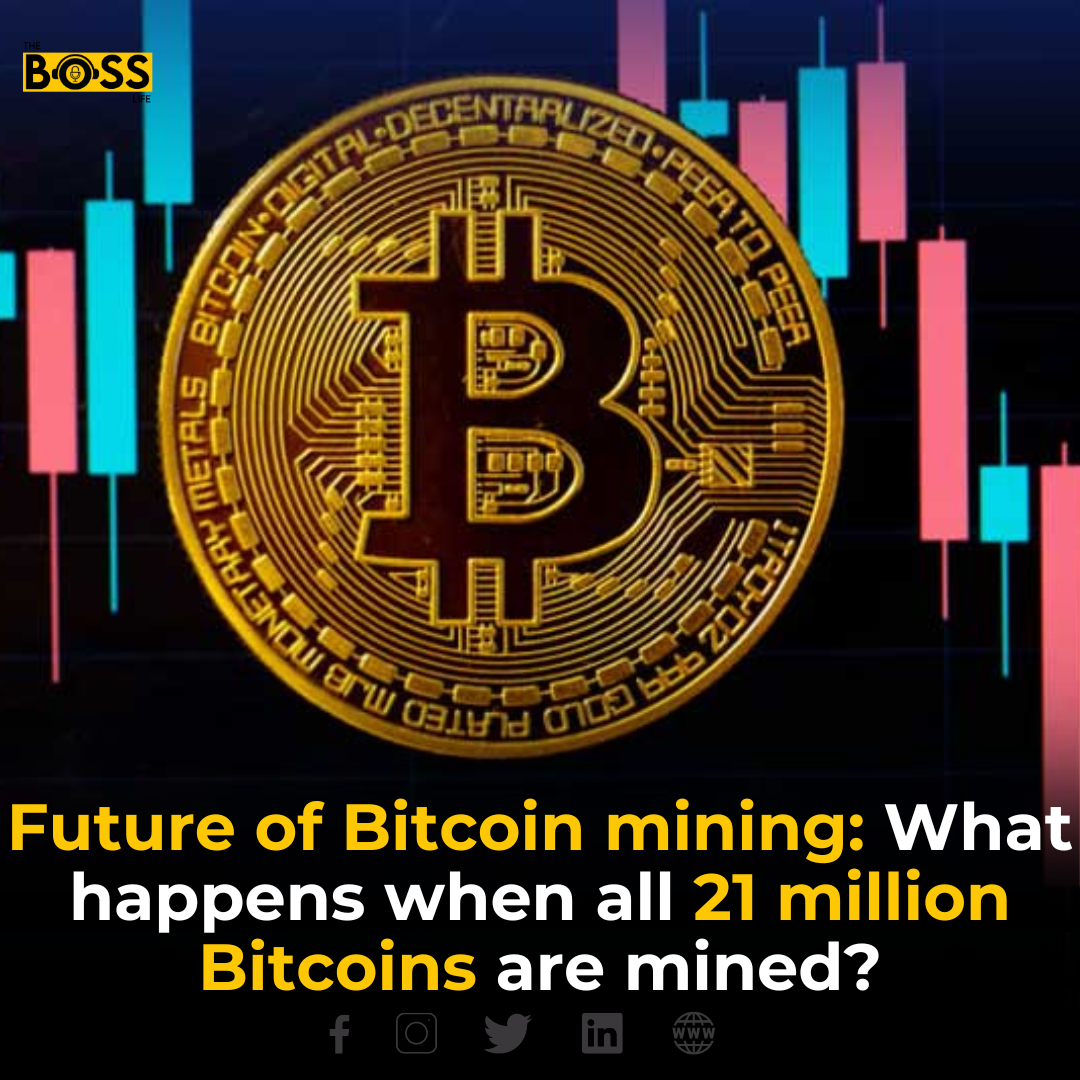
One of the foundational features of Bitcoin, often touted with pride, is its maximum supply limit of 21 million coins. This scarcity factor draws parallels with limited resources such as gold. However, an important question arises: What happens when the last Bitcoin is mined?
To understand this, let’s revisit the process of Bitcoin mining. New Bitcoin enters circulation through mining, where users employ powerful computers to solve cryptographic puzzles, thereby adding blocks of transactions to the blockchain. Miners receive block rewards for their efforts.
Initially, each block added rewarded miners with 50 Bitcoin. However, approximately every four years, a ‘Bitcoin halving’ occurs, reducing the block reward by half. Currently, after three halvings, miners earn 6.25 Bitcoin per block, which is set to decrease further to 3.125 Bitcoin in the upcoming halving in April 2024.
As the 21 million Bitcoin limit approaches, the block reward will eventually drop to zero. At this point, miners must rely solely on transaction fees to incentivize their participation. Transaction fees are paid by users to have their transactions included in a block.
The viability of transaction fees alone as a sufficient incentive for miners has been debated. Historically, fees have constituted only a small percentage of total miner revenue. However, recent developments, such as the rise of Bitcoin Ordinals, have led to significant increases in transaction fees, especially during market downturns.
While transaction fees may become the primary income source for miners, alternative revenue streams could also support their operations. For instance, miners could participate in demand response programs, where they are compensated for pausing operations to balance electricity grid loads. Additionally, miners with access to cheap or renewable energy sources may sustain their operations despite reduced revenues.
Moreover, the self-interest of Bitcoin holders, potential involvement of major investment funds, and adoption by countries as a reserve currency could bolster the network’s security. These stakeholders may invest in mining operations to ensure the network’s continued functionality and security.
In summary, while the transition from block rewards to transaction fees may pose challenges, various factors suggest that the Bitcoin network will remain robust. Adaptation to evolving circumstances, coupled with the incentives provided by transaction fees and alternative revenue sources, ensures the network’s longevity and stability.


1 Comment
What a fantastic resource! The articles are meticulously crafted, offering a perfect balance of depth and accessibility. I always walk away having gained new understanding. My sincere appreciation to the team behind this outstanding website.