





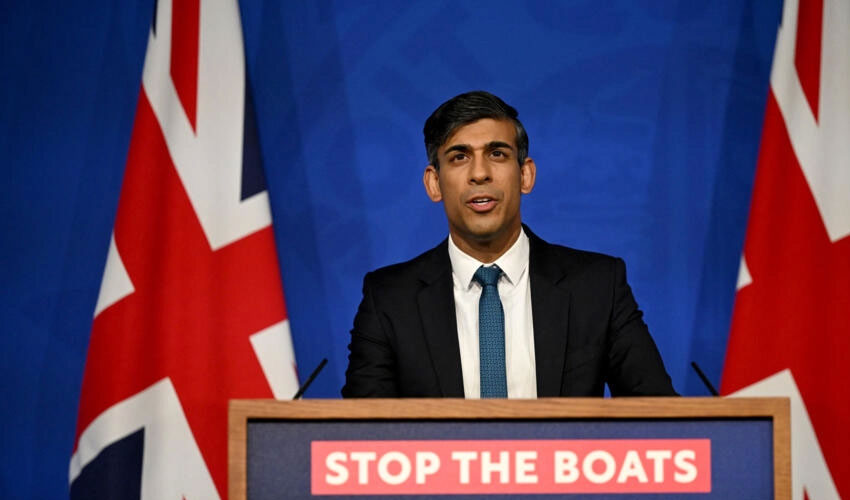
Britain has introduced a new definition of extremism in response to a surge in hate crimes targeting Jews and Muslims following the October 7 Hamas attacks on Israel. While UK Prime Minister Rishi Sunak has warned of threats from both Islamist and far-right extremists, the move has drawn criticism over concerns about potential encroachments on freedom of speech.
Antisemitic incidents rose by 147% in 2023, fueled by the October 7 attacks, according to the Community Security Trust, while Tell Mama reported a 335% increase in anti-Muslim hate crimes since the attacks.
Michael Gove, the communities minister overseeing the new definition, has praised it as essential for combatting ideologies undermining democracy. The definition identifies extremism as the promotion of violence, hatred, or intolerance aimed at negating fundamental rights, undermining democracy, or creating a permissive environment for such actions.
While terrorism-related groups are already prohibited, the new definition expands the scope to include those promoting extremist ideologies. However, identified groups will not face criminal charges but will be ineligible for government support.
Gove expressed concerns about large pro-Palestinian marches in London, suggesting some were organized by extremist organizations. Critics, including Archbishop of Canterbury Justin Welby, fear the definition could stifle freedom of speech.
Survivors and relatives of victims of Islamist attacks in Britain have also voiced concerns about equating being Muslim with being an extremist, warning against playing into the hands of militants.
The introduction of the new extremism definition reflects Britain’s efforts to address rising hate crimes while balancing security measures with civil liberties.


