



Introduction
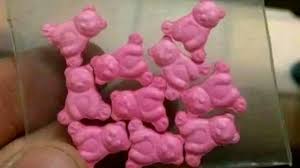
Authorities in Pakistan have issued a serious warning about a potentially dangerous candy known as “Strawberry Quick,” which is suspected to be laced with harmful substances. The Deputy Commissioner (DC) of Multan, Muhammad Ali Bukhari, has sounded the alarm, calling the product a “sweet poison” that could have devastating effects on children’s health. Reports indicate that this candy is being sold in various areas, including Multan and Peshawar, raising concerns about its potential links to drug addiction.
The warning has led to swift action from law enforcement, with several shopkeepers being arrested and the candy being removed from markets. As the situation unfolds, parents, educators, and health officials are being urged to remain vigilant and educate children about the dangers of consuming unknown candies.
The Growing Threat of Drug-Laced Candy
According to DC Muhammad Ali Bukhari, the “Strawberry Quick” candy is not just an ordinary sweet treat but a potential gateway to addiction. The biggest concern is its alleged connection to crystal meth (commonly known as ice), a highly addictive and dangerous drug. Authorities believe that drug traffickers might be using these candies as a method to introduce harmful substances to children at an early age, leading them toward long-term addiction.
Similar concerns have been raised in Peshawar, particularly in the People’s Market, where reports indicate that drug-laced lollipops are being sold to unsuspecting children. The strategy of disguising drugs in candy-like forms makes it extremely difficult for parents and educators to detect the threat before it’s too late.
This alarming development has highlighted a critical need for increased monitoring of food products sold to children, stricter regulations on candy imports and sales, and a robust awareness campaign to educate the public about these dangers.
Government Response and Public Safety Measures
In response to the crisis, the district administration of Multan has taken immediate action. Authorities have arrested several shopkeepers involved in the distribution of these harmful candies and have launched a crackdown on suppliers. The swift removal of “Strawberry Quick” from the market is part of a broader effort to prevent more children from falling victim to potential drug addiction.
However, removing the candy from shelves is only a short-term solution. To ensure lasting protection, government agencies are being urged to introduce stricter food safety regulations and implement random testing of confectionery products. Additionally, awareness campaigns in schools and public spaces can play a crucial role in educating children and their guardians about the risks posed by suspicious or unverified food products.
Community leaders, teachers, and parents also have a role to play in safeguarding children. Educating young ones about the dangers of consuming unknown candies and encouraging them to report suspicious products can help prevent further cases.
Conclusion
The discovery of potentially drug-laced “Strawberry Quick” candies in Multan and Peshawar has set off alarm bells across Pakistan. While the authorities have acted quickly to remove the product from circulation, the incident underscores the need for a more proactive approach to food safety and drug prevention.
Parents must remain watchful of what their children consume, schools should introduce awareness programs, and government agencies should implement stricter checks on candy imports and sales. By working together, society can ensure that children are protected from falling into the trap of addiction disguised as an innocent treat.
For now, the best defense remains vigilance—both from authorities and the general public—to prevent further cases of such harmful products being sold in Pakistan’s markets.

