


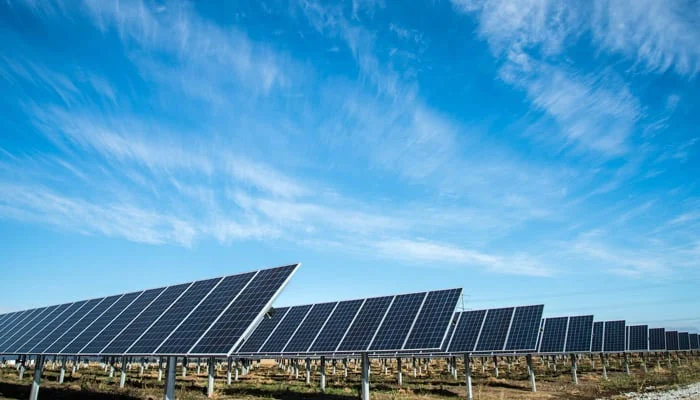
A Major Move Towards Renewable Energy
In a groundbreaking initiative, the Punjab government has announced plans to transition all 43 prisons in the province to solar energy. This step aligns with Pakistan’s broader strategy to embrace renewable energy, reduce reliance on fossil fuels, and cut operational costs in public institutions. With rising electricity prices and frequent power shortages, this transition is expected to bring long-term economic and environmental benefits.
Why Shift to Solar Energy?
The decision to power Punjab’s prisons with solar energy is driven by multiple factors, including cost savings, energy efficiency, and environmental sustainability. Currently, prisons consume large amounts of electricity for security systems, lighting, and daily operations. With solar panels in place, these facilities will significantly reduce their dependency on the national grid, ensuring an uninterrupted power supply while lowering electricity expenses.
Additionally, solar energy offers a clean alternative to traditional power sources, reducing the carbon footprint of these institutions. This move supports Pakistan’s commitment to renewable energy targets and aligns with global trends promoting green energy solutions.
Implementation and Expected Impact
The transition will involve the installation of solar panels across all prison facilities, a process expected to be completed in phases. Authorities plan to work closely with energy experts to ensure an efficient and cost-effective implementation.
The impact of this shift is significant:
- Reduced energy costs: Solar power will help cut down on the high electricity bills incurred by these facilities.
- Reliable power supply: Prisons require uninterrupted electricity for security and surveillance. Solar energy can help overcome frequent power outages.
- Environmental benefits: By reducing reliance on fossil fuels, this initiative will contribute to a cleaner environment.
- Model for other institutions: This project could pave the way for similar initiatives in hospitals, schools, and other public institutions.
Challenges and the Way Forward
While the shift to solar energy is a progressive step, challenges such as initial installation costs, maintenance, and ensuring optimal efficiency of the solar systems need to be addressed. The government must also focus on training prison staff to manage solar infrastructure effectively.
To ensure long-term success, authorities should establish monitoring systems to track energy savings and system performance. Additionally, investing in battery storage solutions can help maintain power availability during low sunlight hours.
Conclusion
Punjab’s decision to power all 43 prisons with solar energy marks a major step towards a sustainable and energy-efficient future. By adopting renewable energy solutions, the province is setting an example for other sectors to follow. This move not only promotes environmental responsibility but also provides economic relief by reducing energy costs. As Pakistan continues its journey towards energy independence, such initiatives play a crucial role in shaping a cleaner and more sustainable future.

