


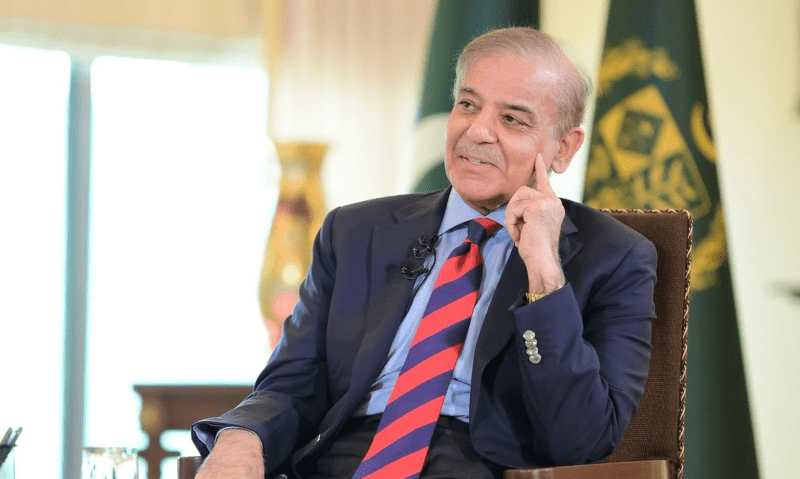
In a major relief for the public, Prime Minister Shehbaz Sharif has announced a Rs7.41 per unit reduction in electricity tariffs for consumers across the country. The decision comes amid rising inflation and economic challenges, aiming to ease the financial burden on households and businesses struggling with high power costs.
Relief for Consumers Amid Economic Struggles
The electricity tariff reduction is expected to benefit millions of consumers, especially households, small businesses, and industries that have been burdened by soaring utility bills. The move is particularly significant as energy costs have been a major contributor to inflation, making everyday expenses difficult for the common people.
Industries, which rely heavily on electricity, are likely to benefit from reduced production costs, which could lead to lower prices of essential goods and an increase in economic activity. The government hopes that this reduction will stimulate business growth and improve the overall economic outlook.
Government’s Efforts to Address Power Sector Challenges
Pakistan’s power sector has been facing major challenges, including circular debt, high generation costs, and transmission losses. The high electricity prices have been a source of frustration for both consumers and businesses, leading to protests and demands for relief. The government’s move to cut electricity tariffs is seen as a step towards addressing these concerns while ensuring sustainable energy policies.
However, experts warn that long-term solutions are needed to fix the power sector, including:
-
Investment in renewable energy sources to reduce reliance on expensive imported fuels.
-
Better management of power distribution companies to minimize losses.
-
Implementation of reforms to improve efficiency and reduce electricity theft.
Impact on Businesses and Economy
The reduction in power tariffs is expected to provide much-needed relief to businesses, particularly in sectors such as textiles, manufacturing, and services, which depend heavily on electricity. Lower energy costs could help businesses stay competitive, boost exports, and create more employment opportunities.
Moreover, the move could improve investor confidence, as stable and affordable energy prices are a key factor for attracting foreign and local investments. If properly managed, this initiative could contribute to economic stability and growth in the coming months.
Conclusion
The Rs7.41 per unit reduction in electricity tariffs is a positive development for Pakistan’s consumers and businesses, offering relief from the financial strain of high utility bills. While this is a short-term measure, the government must focus on long-term energy sector reforms to ensure affordable and sustainable electricity for all. If effectively implemented, this policy could contribute to economic revival and improved living standards for millions of Pakistanis.

