


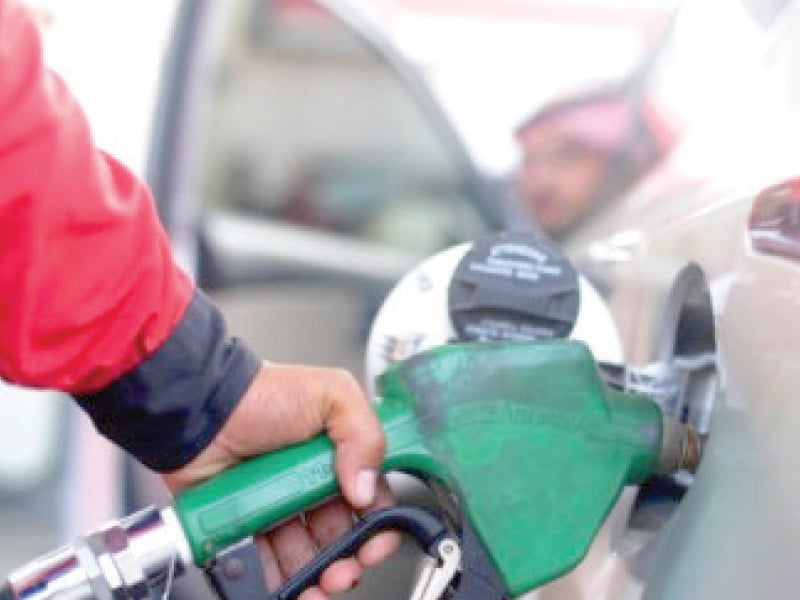
In a move aimed at easing financial pressure on the public, Prime Minister Shehbaz Sharif has decided to keep fuel prices unchanged, ensuring stability in transportation and energy costs. This decision comes as part of the government’s efforts to provide relief on electricity tariffs, addressing growing concerns over high inflation and increasing utility expenses.
Why Fuel Prices Remain Unchanged?
The government’s decision to maintain current petrol and diesel prices is influenced by several economic factors:
✔ Inflation Control – Keeping fuel prices stable helps prevent a rise in transportation and commodity costs, which directly impact inflation.
✔ Electricity Tariff Relief – Since fuel costs affect power generation, stabilizing petroleum prices can help control electricity bills for consumers.
✔ Economic Stability – With fluctuating global oil prices, the government aims to avoid sudden price hikes that could disrupt economic stability.
Impact on Electricity Tariffs
🔵 Lower Production Costs – Many power plants rely on imported fuel for energy generation. Keeping fuel prices stable can reduce the need for electricity tariff hikes.
🔵 Direct Relief for Households – With rising utility costs, the government’s decision is expected to ease financial burdens on consumers, particularly for low-income households.
🔵 Support for Businesses – Industrial and commercial sectors benefit from stable fuel prices, reducing overall production costs and maintaining competitiveness.
Challenges and Future Outlook
Despite this short-term relief, challenges remain in managing fuel subsidies and long-term energy pricing:
⚠ Fiscal Pressure on the Government – Maintaining stable fuel prices requires financial adjustments that could affect other development projects.
⚠ Global Oil Market Fluctuations – Any increase in international oil prices could put pressure on Pakistan’s foreign reserves and trade balance.
⚠ Need for Sustainable Energy Policies – Experts urge the government to focus on alternative energy sources, such as solar, wind, and hydropower, to reduce dependency on imported fuels.
Conclusion
The decision to keep fuel prices unchanged is a positive step toward controlling inflation and providing relief on electricity tariffs. However, long-term solutions are needed to ensure sustainable energy pricing and economic stability in Pakistan. With renewable energy initiatives and policy reforms, the country can reduce its dependence on fuel imports and achieve greater financial security.

