

Pakistan’s inflation rate has recorded a significant decline, dropping to 15% in February 2025—the lowest level since September 2015. This sharp decrease comes as a relief for citizens who have been struggling with high prices over the past few years. The reduction in inflation signals an improving economic situation, but challenges still remain.
February Inflation Hits a Nine-Year Low
According to the Pakistan Bureau of Statistics (PBS), inflation in February 2025 stood at 15%, marking a sharp fall from 23.1% in February 2024. This is also lower than January 2025’s rate of 23.4%, highlighting a consistent downward trend.
Experts believe that this decline in inflation is a result of multiple factors, including economic stability measures, controlled imports, and monetary policies aimed at curbing price hikes.
Key Factors Behind the Inflation Drop
Several important factors have contributed to Pakistan’s lowest inflation rate in nearly a decade:
1. Economic Stabilization and IMF Program
The government’s economic policies, backed by a $7 billion IMF bailout, have played a crucial role in stabilizing the economy. This financial assistance has helped improve foreign reserves, control fiscal deficits, and reduce the pressure on the Pakistani Rupee.
2. Decline in Global Commodity Prices
The global decline in fuel and commodity prices has helped lower transportation and production costs in Pakistan. This has indirectly reduced the prices of essential goods and services.
3. Controlled Imports and Reduced Demand
The government’s strict import policies and higher interest rates have slowed demand-driven inflation. With less money circulating in the economy, prices have stabilized, making everyday goods more affordable.
4. Lower Food Inflation
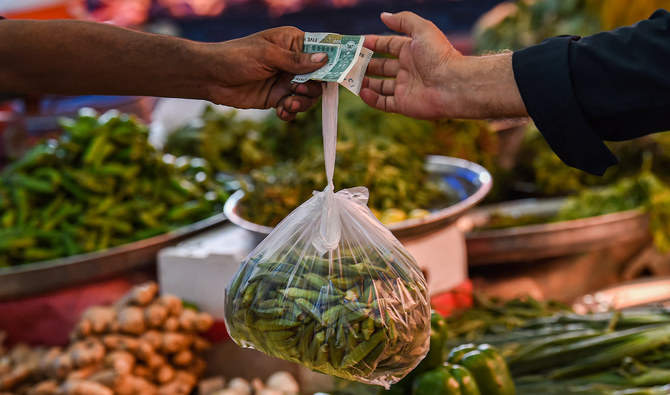
A major contributor to the lower inflation rate is the drop in food prices. The availability of essential food items at reasonable prices has reduced the financial burden on the public. However, food prices may rise again due to higher demand during Ramadan.
What’s Next? Future Inflation Trends in Pakistan
Despite the positive news of lower inflation, analysts predict that prices may rise again in March 2025, especially due to:
- Ramadan-related price hikes in essential goods such as flour, sugar, and cooking oil.
- Possible fuel price adjustments that could increase transportation costs.
- Fluctuations in the Pakistani Rupee affecting imported goods.
The Finance Ministry has projected inflation for March 2025 to range between 16% and 18%, showing a slight increase compared to February.
How Will This Affect the People of Pakistan?
The decline in inflation brings several positive impacts for the people of Pakistan:
✅ Lower cost of living – Reduced inflation means people can buy more with the same amount of money.
✅ Increased purchasing power – With stable prices, households can manage expenses better.
✅ Economic growth potential – A stable inflation rate encourages investment and business expansion.
However, challenges remain, and people must prepare for possible price fluctuations in the coming months.
Final Thoughts
Pakistan’s inflation dropping to 15% in February 2025 is a major economic achievement, offering relief to millions. While this downward trend is encouraging, long-term stability will depend on continued economic reforms, stable government policies, and controlled inflationary pressures.
With Ramadan approaching, the government must ensure that essential food items remain affordable and that inflation remains under control in the coming months. If inflation remains stable, Pakistan’s economy could enter a more prosperous phase, benefiting both businesses and the general public.

