


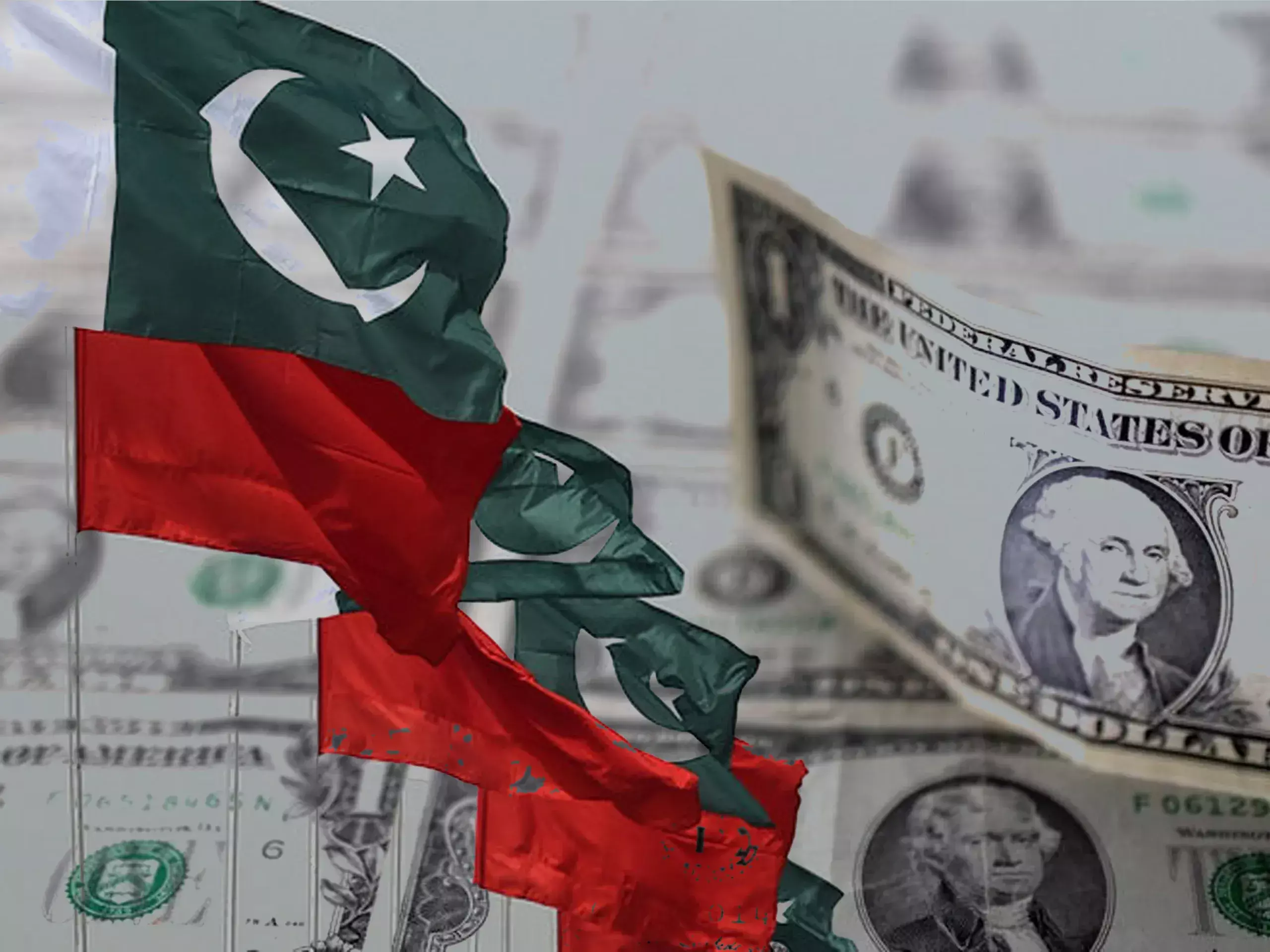
Pakistan has successfully repaid a $1 billion loan to China, a move aimed at managing external debt obligations and maintaining financial stability. The repayment comes as the country continues to navigate economic challenges, secure foreign inflows, and meet IMF conditions.
Why Did Pakistan Repay the Loan Now?
The repayment was made to honor Pakistan’s financial commitments and to maintain good relations with China, which has been a key financial supporter. Key reasons behind this decision include:
-
Avoiding Debt Defaults – Timely repayments help Pakistan maintain its credibility in international financial markets.
-
Strengthening Ties with China – Ensuring smooth financial relations with one of Pakistan’s biggest economic allies.
-
Meeting IMF Requirements – Repaying debts on time is essential for securing further financial aid from the International Monetary Fund (IMF) and other lenders.
Impact on Pakistan’s Economy
While repaying the loan ensures financial discipline, it also raises short-term economic concerns:
-
Foreign Exchange Reserves Under Pressure – With limited foreign reserves, large debt repayments reduce Pakistan’s liquidity for imports and other obligations.
-
Need for Fresh Loans – To refill reserves, Pakistan will likely seek new loans or rollovers from China and other creditors.
-
Continued External Debt Burden – Pakistan still faces significant external loan repayments in the coming months, requiring stronger financial management and economic reforms.
What’s Next for Pakistan?
To stabilize its economy, Pakistan needs to:
-
Attract More Foreign Investments – Encouraging investments in key sectors to reduce reliance on loans.
-
Enhance Exports & Remittances – Strengthening exports and boosting foreign remittances to improve foreign reserves.
-
Secure Further Financial Assistance – Negotiating with China, the IMF, and other lenders for new financial aid and better loan terms.
Conclusion
Pakistan’s $1 billion loan repayment to China is a positive step in honoring financial commitments, but it highlights the need for stronger economic policies to manage debt effectively. The country must focus on long-term economic stability, investment growth, and sustainable financial planning to avoid future financial crises.

