


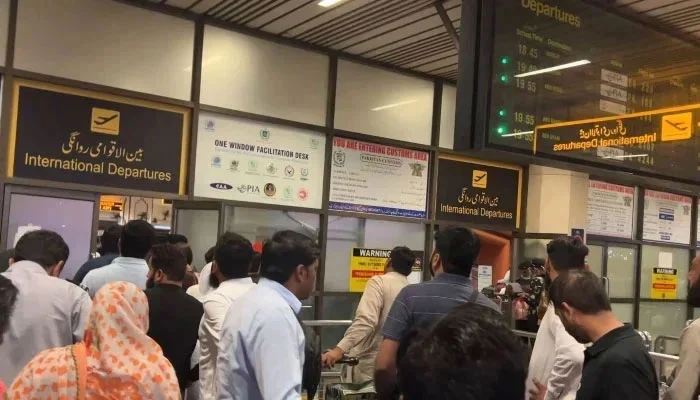
Rise in Travel Fraud at Lahore Airport
Travel fraud and document forgery have become a pressing issue, as authorities at Lahore’s Allama Iqbal International Airport recently intercepted over 3,000 passengers attempting to travel abroad using fake documents. This alarming trend highlights the growing challenges in border security, immigration enforcement, and fraudulent travel practices.
How Fake Documents Were Detected
Lahore airport has witnessed a significant rise in cases of passengers trying to use counterfeit visas, forged travel documents, and fake work permits. According to officials, these fraudulent attempts were detected through enhanced immigration screening measures, advanced document verification technology, and collaboration between Pakistan’s Federal Investigation Agency (FIA) and international security agencies. The interception of such a large number of travelers within a short period raises concerns about the broader network facilitating these unlawful practices.
Reasons Behind the Rise in Travel Fraud
Several underlying factors contribute to the increase in travel-related fraud. Economic hardship remains a primary driver, as many individuals, struggling with limited job opportunities in Pakistan, seek better employment prospects abroad. When they fail to secure a legal visa, some resort to illegal means. Additionally, human smuggling and organized crime play a major role, as criminal networks exploit people’s desperation by offering fake documents and promising safe passage to foreign countries. These fraudulent agents charge exorbitant fees, leaving victims vulnerable to legal consequences. A lack of awareness about visa application processes and immigration laws further contributes to the problem, making individuals easy targets for exploitation.
Legal Consequences of Using Fake Travel Documents
Using forged travel documents is a serious offense with severe repercussions. Many travelers caught with fake documents face immediate deportation from their destination countries. In Pakistan, those found attempting to travel illegally may face heavy fines, imprisonment, and a potential lifetime ban from applying for visas. Furthermore, individuals using fraudulent documents risk being blacklisted, making future legal travel nearly impossible.
Measures to Prevent Travel Fraud
To combat this growing issue, Pakistan’s FIA, in collaboration with global agencies, has intensified efforts to curb fraudulent travel practices. Authorities have implemented stricter immigration checks at airports, advanced biometric and facial recognition systems, and public awareness campaigns to educate travelers on the dangers of fake documents. Additionally, legal action is being taken against agents and middlemen involved in forging travel documents.
To avoid falling victim to travel fraud, individuals must take proactive measures. It is crucial to verify the legitimacy of travel agents before seeking their services. Travelers should always apply for visas and work permits through government-approved channels rather than relying on third-party agents. Staying informed about immigration rules and legal travel procedures can also help individuals avoid scams. Moreover, reporting suspicious activities or fraudulent travel agents to authorities can help prevent others from being exploited.
Conclusion
The interception of over 3,000 passengers using fake documents at Lahore Airport serves as a wake-up call for both authorities and travelers. While many seek better opportunities abroad, the risks associated with illegal travel far outweigh the benefits. Promoting legal migration pathways, strengthening border security, and raising awareness about document fraud are essential steps toward addressing this issue. By taking a responsible and lawful approach to travel, individuals can ensure their safety while contributing to a more secure and transparent immigration system.

