

Introduction
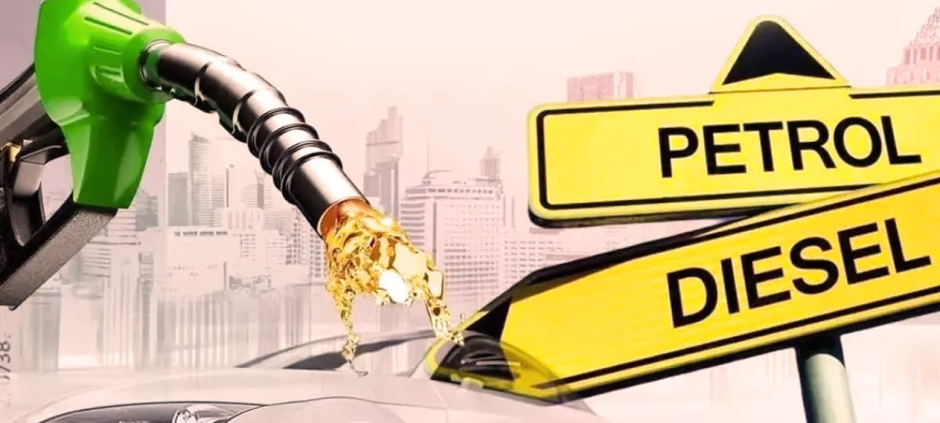
As the holy month of Ramadan approaches, Pakistani consumers are bracing for a significant hike in petrol prices. Reports indicate that the government plans to raise fuel costs by approximately Rs. 4 to Rs. 4.50 per liter, effective March 1, 2025. This increase is expected to have a cascading effect on the prices of essential goods and services, intensifying the financial strain on households during a period traditionally marked by increased spending.
Factors Contributing to the Price Hike
Several key factors have been identified as contributing to the impending rise in petrol prices:
-
Exchange Rate Fluctuations: The depreciation of the Pakistani rupee against the US dollar has escalated the cost of importing petroleum products, necessitating adjustments in domestic fuel prices.
-
Taxation Policies: The government imposes a Petroleum Development Levy (PDL) of Rs. 60 per liter on petrol, along with additional customs duties. These taxes are instrumental in revenue generation but also contribute to higher consumer prices.
-
Global Oil Market Dynamics: Despite a recent 3% decline in global oil prices, local petrol prices are set to rise due to the aforementioned exchange rate issues and tax structures.
Implications for Consumers
The anticipated increase in petrol prices is poised to impact consumers in multiple ways:
-
Transportation Costs: Higher fuel prices will likely lead to increased fares for public transportation and elevated operational costs for private vehicle owners.
-
Inflationary Pressures: As transportation costs rise, the prices of goods—particularly food items—are expected to surge, exacerbating the financial burden on consumers during Ramadan.
-
Household Budgets: With the cost of living escalating, families may find it challenging to manage expenses, especially during a month that emphasizes communal gatherings and charitable activities.
Government’s Stance and Public Response
The government asserts that the price adjustment is a necessary measure to align with international market trends and address fiscal challenges. However, this decision has sparked public outcry, with many expressing concerns over the timing and potential economic repercussions of the hike.
In response to the public’s apprehensions, there have been calls for the government to explore alternative strategies to mitigate the impact on consumers, such as subsidizing fuel costs or reducing taxes on petroleum products during the Ramadan period.
Conclusion
The impending increase in petrol prices ahead of Ramadan presents a complex challenge, intertwining global economic factors with domestic fiscal policies. As consumers prepare for the financial implications, it remains imperative for policymakers to consider measures that can alleviate the burden on the populace during this significant time.

