

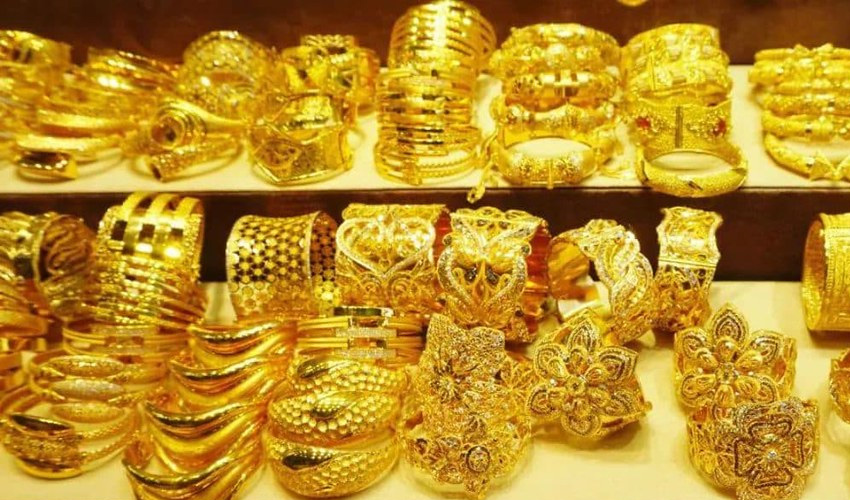
Gold prices in Pakistan have recently seen a notable decline, with rates falling by a substantial Rs5,400 per tola. This reduction, a sharp contrast from previous trends, has implications for the jewelry market, investors, and the local economy as Pakistan navigates ongoing economic adjustments. Silver prices, meanwhile, have remained relatively stable at Rs3,300 per tola, highlighting different market dynamics for these precious metals.
Gold Prices in Pakistan and Their Impact on Local Market
The recent dip in gold prices in Pakistan has caught the attention of buyers and investors alike. For months, gold rates have remained high due to global economic conditions, rising demand, and the depreciation of the Pakistani rupee. However, this sudden drop is expected to influence consumer behavior, especially within the jewelry market, as lower prices may encourage more people to invest in gold products. Retailers are already observing increased foot traffic in response to the latest reduction, with many considering this an ideal time to make gold purchases.
The decline also provides opportunities for small investors who see gold as a safe investment during economic uncertainty. As gold prices have declined, many investors are exploring options to expand their holdings, viewing this as a temporary market fluctuation amid Pakistan’s complex economic landscape.
Economic Factors Influencing Gold Prices in Pakistan
The fluctuations in gold prices in Pakistan are closely tied to a variety of economic factors. One of the primary influences is the currency exchange rate; with the rupee gaining strength in recent weeks, gold prices have adjusted accordingly. This trend is often seen as a reflection of the global gold market, where prices are influenced by economic indicators, inflation rates, and demand for the US dollar. Internationally, gold is perceived as a safe haven asset, and prices tend to rise in times of uncertainty.
Pakistan’s gold prices, however, are also heavily influenced by domestic factors, including inflation, political stability, and fiscal policies. As inflation stabilizes and the government introduces policies to strengthen the rupee, the local gold market is experiencing price corrections that directly benefit buyers. The recent decrease in gold prices reflects adjustments aimed at stabilizing consumer markets and boosting purchasing power among Pakistanis.
Stability in Silver Prices Amid Gold Market Shifts
While gold has seen a significant reduction, silver prices have shown relative stability, currently holding at Rs3,300 per tola in Pakistan. Silver remains a popular choice among consumers seeking more affordable investment options, and the steadiness in silver prices reflects consistent demand for the metal, especially for smaller-scale investments. In comparison to gold, silver is less susceptible to dramatic market shifts, as it often does not experience the same level of international volatility.
This stability in silver pricing allows consumers more flexibility, offering an alternative for those who may not be ready to invest in gold but still seek a reliable store of value. Jewelry stores are also observing increased interest in silver products as an economical choice amidst fluctuating gold prices, with many buyers turning to silver as an affordable, high-value investment.
Global Gold Market Trends and Their Effects on Pakistan
The global gold market has seen significant changes, and Pakistan’s prices are deeply impacted by these trends. Gold prices worldwide have recently faced volatility due to inflation concerns, interest rate fluctuations, and currency value changes in major economies. In addition, the US dollar’s relative strength can lead to price changes in gold, as the two are inversely related. When the dollar strengthens, gold prices tend to fall, a trend that has been mirrored in Pakistan’s local market.
Recent announcements from major global economies regarding interest rates and inflation have led to speculation around the future of gold investments. Many investors are cautious, but the drop in Pakistan’s gold prices is an indicator of temporary adjustments that align with global price corrections. For consumers and investors, understanding global gold market trends can provide valuable insight into local pricing dynamics, helping them make more informed purchasing decisions.
Future Outlook: Economic Stability and Precious Metal Prices
Pakistan’s gold and silver markets are influenced not only by domestic economic policies but also by the country’s relationship with the global economy. As Pakistan continues to implement fiscal measures to stabilize its economy, the gold and silver markets are expected to experience further adjustments. Experts suggest that future changes in gold prices may depend on factors like interest rates, the rupee’s exchange rate stability, and global demand for precious metals.
Should the Pakistani rupee continue to strengthen, there may be further reductions in gold prices, benefitting local consumers and investors alike. However, if inflationary pressures increase or the currency weakens, gold may once again rise, making this a pivotal period for Pakistan’s precious metal market. Investors and consumers alike are advised to closely monitor economic conditions, as these fluctuations in gold prices will impact the viability and attractiveness of gold as an investment in the months to come.
Summary: Navigating Market Shifts in Gold and Silver Investments
The significant decline in gold prices in Pakistan, coupled with stable silver prices, presents unique opportunities for consumers and investors. As economic stability continues to shape the precious metals market, buyers are encouraged to assess their options carefully, considering both global and local economic indicators before making investment decisions. With ongoing shifts in currency values and inflation, gold and silver will likely remain central to Pakistan’s financial landscape, reflecting the balance between economic recovery efforts and global market conditions.

