


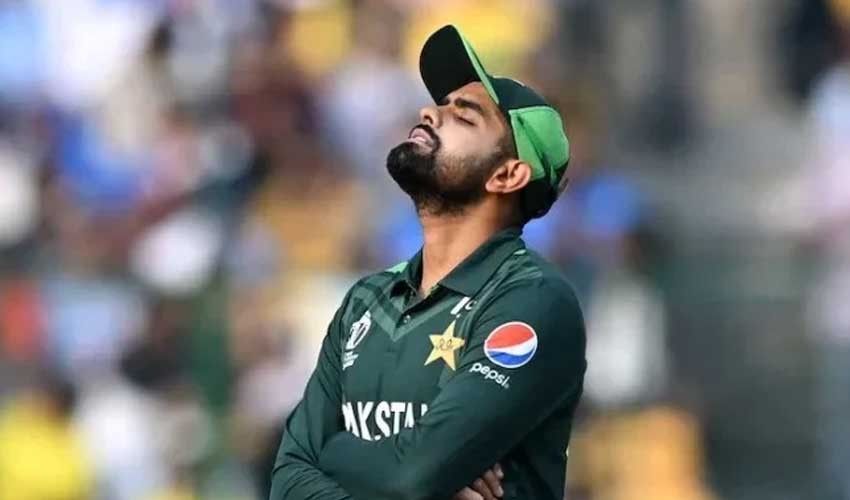
Babar Azam, Pakistan’s star cricketer, has stepped down from his role as the captain of the national team. Contrary to circulating rumors, the Pakistan Cricket Board (PCB) did not ask Babar to relinquish his position. According to sources, the decision was made independently by the player.
Reports indicate that Gary Kirsten, Pakistan’s national white-ball coach, played a significant role in the discussions surrounding the captaincy. Kirsten, who visited Pakistan in July 2024 for World Cup preparations and meetings, held extensive conversations with Babar regarding his leadership role.
While Kirsten was supportive of Babar continuing as the captain in One-Day Internationals (ODIs), he proposed a change in leadership for the Twenty20 International (T20I) squad. His plan, which he introduced during his July visit, involved the appointment of a new captain for T20 cricket as part of a broader strategy to strengthen the team for future challenges.
Despite Kirsten’s efforts to convince Babar to retain his position as ODI captain, Babar ultimately decided to step down. Sources suggest that his resignation was driven by growing feelings of isolation within the team and a sense of diminished influence.
After Pakistan’s World Cup campaign, Babar reportedly began feeling excluded from key discussions and consultations, contributing to his decision to distance himself from the leadership role. He formally informed a senior PCB official of his intentions before making his decision public.
Babar’s resignation has created an opportunity for leadership changes within the team. Wicketkeeper-batsman Mohammad Rizwan is seen as the frontrunner to succeed him, with sources indicating that Rizwan will also have a role in team selection going forward.
Kirsten’s vision for Pakistan’s cricket team includes the introduction of a fresh captain for T20 cricket, aimed at aligning the team with long-term goals. The PCB is expected to announce Babar’s successor soon, as they prepare for upcoming series and tournaments.

