



Punjab’s air quality has reached a dangerous tipping point, as pollution levels skyrocket beyond the World Health Organization’s (WHO) safety thresholds. In Lahore, air pollutant concentrations have been recorded as 86.2 times higher than acceptable levels, posing a serious threat to public health. While authorities have implemented strict mask mandates to mitigate exposure, compliance remains low, leaving residents vulnerable to health risks associated with extreme pollution.
Deteriorating Air Quality in Punjab: A Public Health Crisis
Lahore, often ranked among the most polluted cities globally, continues to experience severe air quality deterioration. The latest air quality index (AQI) readings categorize the pollution levels as “hazardous,” a classification indicating severe risk, particularly for individuals with respiratory conditions, children, and the elderly. The AQI measurements reveal that particulate matter (PM2.5) and other harmful pollutants significantly exceed WHO’s recommended limits, underlining the urgent need for collective action and increased public awareness.
The Punjab Environmental Protection Department has reported that high AQI levels are not confined to Lahore alone; surrounding cities also face deteriorating air quality, amplifying the health impact across the region. The scale of the crisis has compelled government officials to enforce measures like mandatory mask-wearing and traffic restrictions in high-density areas to reduce emissions.
Compliance Challenges and Public Health Risks
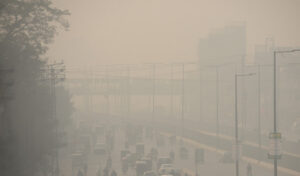
Despite government efforts to curb exposure to hazardous air through mandated mask-wearing, compliance remains alarmingly low. Reports indicate that many citizens continue to overlook safety guidelines, which are crucial to mitigating the harmful effects of polluted air. Health experts have underscored the importance of mask use during this period, as inhaling high levels of pollutants can lead to a range of health complications, from respiratory issues to cardiovascular diseases.
Environmental activists and health professionals warn that continued disregard for public health measures may result in a healthcare crisis. Hospitals have already noted an increase in cases related to respiratory distress, asthma, and other pollution-linked ailments, stretching resources thin as the winter season progresses. The added strain from non-compliance could further impact health services, prompting calls for stricter enforcement.
Punjab Takes Aggressive Measures as Air Quality Index Hits Dangerous Levels
Sources of Pollution and Government Response
The Punjab Environmental Protection Department has identified several pollution sources, including vehicular emissions, industrial pollutants, and crop residue burning. In response, the Punjab government has introduced several initiatives aimed at reducing air pollution. These measures include a temporary halt on industrial activities in high-pollution zones, an increase in fines for traffic violations, and strict monitoring of emissions from factories and agricultural burning practices.
Additionally, the government has begun promoting the use of cleaner fuels and is incentivizing businesses that adopt environmentally-friendly practices. Schools and other institutions have also been encouraged to conduct awareness campaigns to educate citizens about the health risks associated with high AQI levels and the importance of preventive measures, such as mask-wearing and limiting outdoor activities.
The Role of Air Quality Data and Real-Time Monitoring
Real-time air quality data has become an essential tool in addressing pollution-related challenges. The Punjab government has partnered with several tech firms to provide residents with real-time AQI updates, allowing individuals to make informed decisions about their daily routines. Access to accurate data helps in identifying pollution hotspots, facilitating timely interventions, and aiding in resource allocation to areas most affected by poor air quality.
Furthermore, the use of mobile apps and digital platforms has improved public access to information about pollution levels, preventive guidelines, and emergency alerts. Environmental experts believe that making real-time data readily available will foster greater awareness and encourage residents to take necessary precautions to protect themselves.
Potential Long-Term Solutions to Improve Air Quality
While immediate measures like mask mandates and emissions restrictions are necessary, experts highlight the importance of long-term solutions to address Punjab’s air quality issues effectively. Suggested initiatives include investing in public transportation infrastructure to reduce vehicular emissions, adopting stricter environmental regulations for industries, and enhancing green spaces to improve air quality over time.
Environmental policymakers are also advocating for increased funding for renewable energy projects, which could help reduce dependence on fossil fuels. By transitioning to cleaner energy sources and promoting sustainable urban planning, the government can work towards creating a more resilient and healthier environment for residents across Punjab.
Public Awareness and Community Involvement
Community involvement and public awareness are key factors in tackling Punjab’s air quality crisis. The government’s outreach efforts have focused on educating citizens about the health hazards associated with high AQI levels and the critical role of preventive measures. Public health campaigns have emphasized the importance of wearing masks, reducing outdoor activities during peak pollution hours, and supporting eco-friendly practices at an individual level.
Schools and universities are also participating in awareness programs, helping to instill a sense of responsibility among young people regarding environmental protection. By fostering a culture of accountability and compliance, authorities hope to build a community that actively contributes to improving air quality in the region.

