

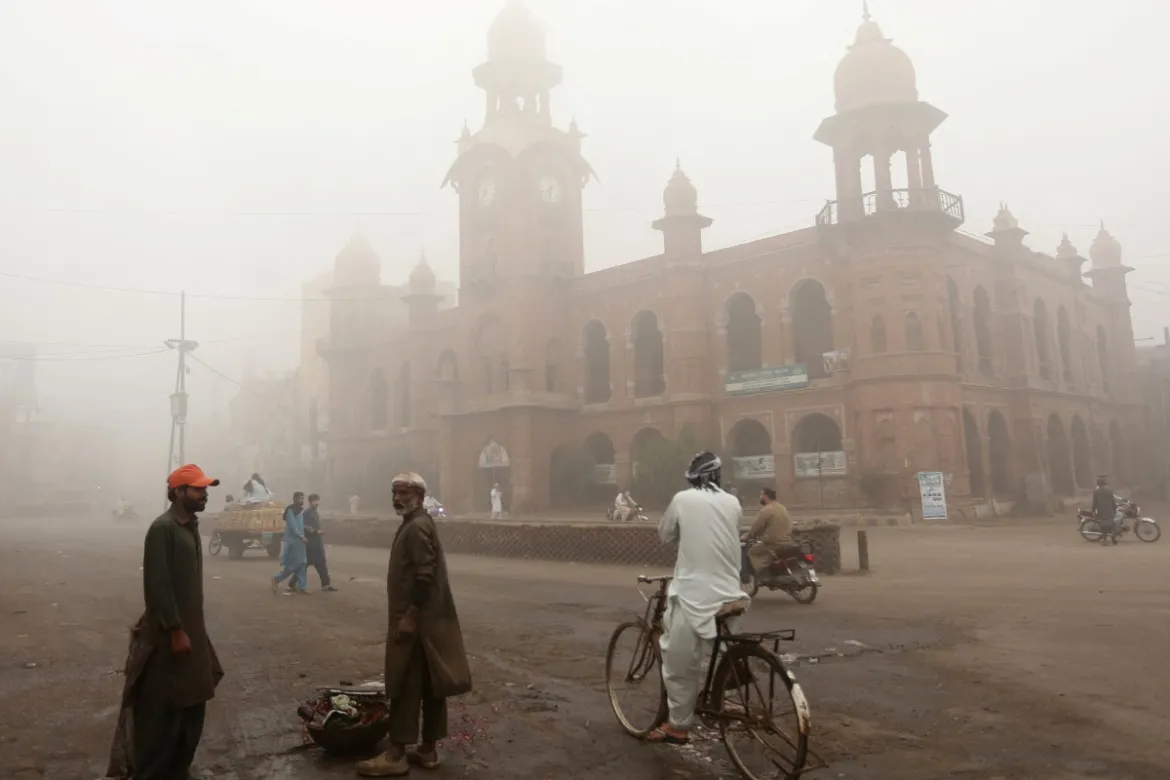
Pakistan has once again ranked among the top five most polluted countries in 2024, highlighting the severe air quality crisis affecting millions of people. This alarming statistic comes from the latest global air pollution report, which places Pakistan alongside other highly polluted nations struggling with toxic air conditions.
With rising levels of smog, industrial emissions, and vehicle pollution, experts warn that immediate measures are necessary to combat the environmental and health crisis.
Air Pollution Levels in Pakistan: A Growing Threat
According to the Air Quality Index (AQI), several cities in Pakistan, including Lahore, Karachi, and Islamabad, have recorded dangerously high pollution levels, often exceeding hazardous limits. The primary pollutants contributing to the crisis include:
✅ Particulate Matter (PM2.5 and PM10) – Tiny particles from factories, smoke, and dust that pose severe health risks.
✅ Vehicular Emissions – Increased number of cars, rickshaws, and buses releasing carbon monoxide and nitrogen oxides.
✅ Industrial and Brick Kiln Smoke – Factories and kilns burning coal and waste materials, releasing toxic gases.
✅ Crop Burning and Deforestation – Seasonal agricultural fires contribute significantly to air pollution, especially in Punjab.
Health Risks of Extreme Pollution Levels
Air pollution has serious health consequences, particularly for children, the elderly, and individuals with respiratory conditions. Some of the major health risks include:
🔴 Increased Respiratory Diseases – Chronic cough, asthma, bronchitis, and lung infections are becoming more common.
🔴 Heart and Lung Complications – Long-term exposure to pollution can lead to heart disease, lung cancer, and strokes.
🔴 Reduced Life Expectancy – Studies show that residents in highly polluted areas have a shorter life span.
🔴 Eye and Skin Irritations – Toxic air can cause itchy eyes, allergies, and skin conditions.
Government’s Response and Possible Solutions
Pakistan’s government has taken some steps to address the pollution crisis, but experts believe more aggressive policies are needed. Current and proposed measures include:
✅ Electric Vehicle Promotion – Encouraging EV adoption to reduce vehicle emissions.
✅ Industrial Regulations – Stricter monitoring of factories and brick kilns to control smoke production.
✅ Urban Forestry Initiatives – Programs like “10 Billion Tree Tsunami” aim to increase greenery and absorb pollutants.
✅ Public Awareness Campaigns – Educating citizens on air quality hazards and protective measures.
✅ Smog Control Plans – Efforts to reduce crop burning and improve fuel quality to lower emissions.
What Can Citizens Do to Protect Themselves?
While large-scale changes require government action, individuals can take personal steps to reduce exposure to pollution:
✔️ Wear N95 Masks – Especially on high-AQI days to filter harmful particles.
✔️ Use Air Purifiers – Improve indoor air quality at home and workplaces.
✔️ Limit Outdoor Activities – Avoid jogging or cycling in heavily polluted areas.
✔️ Support Green Initiatives – Plant trees, reduce plastic waste, and advocate for cleaner policies.
✔️ Use Public Transport or Carpool – Reducing vehicle emissions can help control pollution.
Final Thoughts
Pakistan’s ranking among the most polluted countries is a wake-up call for authorities and citizens alike. Without urgent action, the environmental and health consequences will continue to worsen. While government policies play a key role, community efforts and individual awareness are equally important in fighting air pollution.
Stricter environmental regulations, investments in green energy, and public cooperation can help Pakistan breathe cleaner air in the future. The time to act is now!

